

Your roof is one of the hardest-working parts of your home. It handles Perth summers, winter storms, coastal salt air, and decades of UV exposure without much thought from most homeowners. Until something goes wrong.
The problem with roof deterioration is that it rarely announces itself dramatically. It builds slowly, one cracked tile, one corroded fastener, one compromised flashing at a time. By the time the damage is visible inside your home, the situation is usually far more expensive to fix than it would have been 12 months earlier.
Knowing what to look for changes that equation entirely. Here are the seven signs that your Perth home may be due for a roof replacement, and what to do if you spot them.
The most straightforward indicator is age. In Perth, where UV exposure and temperature extremes are particularly demanding, roofing materials reach the end of their useful life within predictable windows:
If your roof is approaching the upper end of its material's expected lifespan, the conversation about replacement should be happening now, not after the next storm. An ageing roof is not just a maintenance issue. It is a structural risk and, for tile roofs especially, a potential asbestos concern in homes built before the 1990s.
If you are unsure how old your roof is, check your building records, contact the previous owner, or have a roofing specialist conduct an age inspection. A trained eye can estimate a roof's condition and remaining lifespan accurately from an inspection.
Cracked or missing tiles are one of the most visible signs of a roof in decline. One or two isolated breakages can be repaired. The problem is when the damage is widespread or recurring.
Tiles crack for a number of reasons: age, hail impact, movement in the roof frame, or simply being walked on without proper care. Once a tile is cracked or missing, water can get in beneath the roofing system. That water does not just drip through to your ceiling. It can saturate the sarking, rot the battens, and eventually compromise the structural integrity of the roof frame itself.
If you are replacing individual tiles repeatedly and the problem keeps coming back, that is a signal the roof system as a whole has deteriorated past the point where patch repairs make economic sense.
Interior water staining is one of the clearest signs that your roof is letting water in. Brown, yellow, or grey marks on your ceiling, damp patches on internal walls, or peeling paint near the roofline all point to moisture getting where it should not be.
A single localised stain does not always mean a full replacement is required. It could be a failed flashing, a cracked ridge cap, or a blocked gutter causing overflow. But if the staining is in multiple locations, or if you are finding damp rafters or condensation in your roof cavity, the problem is likely systemic.
The worst-case scenario is water that has been sitting in roof cavities and framing for long enough to cause mould, timber rot, or damage to electrical wiring. An inspection after any water ingress event is worth the time and cost of a professional visit.
A healthy roof has straight, consistent lines. If you step back from your home and look at the roofline from across the street, any sagging, dipping, or unevenness is an immediate red flag.
Sagging almost always indicates structural damage beneath the surface. Water infiltration that has rotted the decking or structural supports, overloaded framing that has moved under the weight of the roofing material, or a roof that was never engineered correctly to begin with are all common causes.
This is not a cosmetic issue. A sagging roofline is a structural problem that can worsen quickly under rain or wind load. It warrants urgent professional inspection, not watchful waiting.
For Colorbond and metal roofing, rust patches or flaking at seams, fasteners, and penetrations are a sign that the protective coatings have broken down. This is particularly common on older metal roofs in coastal Perth suburbs, where salt air accelerates the corrosion process.
Flashings are the metal strips that seal joints around chimneys, skylights, vents, and roof edges. When these deteriorate, the seal fails and water gets in. Corroded or cracked flashings are one of the most common causes of roof leaks and one of the most underestimated.
If you are seeing rust on significant sections of a metal roof, or if multiple flashings are deteriorating simultaneously, the roof has likely reached the end of its serviceable life.
One repair every few years is normal maintenance. Ongoing repair bills are a different story.
If you find yourself calling a roofer year after year for recurring leaks, cracked tiles, or damaged flashings, the cost arithmetic usually tips decisively in favour of replacement. Every patch repair is a short-term fix on a system that has deteriorated as a whole. At some point, continuing to repair is more expensive than replacing.
A simple way to assess this: if you have spent more than 30 percent of a replacement cost on repairs over the past few years, a full re-roof is almost certainly the more economical path forward.
A failing roof does not just let water in. It lets heat in and out too.
An ageing roof with degraded sarking, missing insulation, or compromised roofing material loses its ability to regulate heat. In Perth summers, that means your air conditioning works harder and your power bills reflect it. In winter, heat escapes through a roof that is no longer performing properly.
If your home has become noticeably harder to keep comfortable, or if your power bills have risen without any other obvious explanation, your roof and ceiling insulation is worth investigating. A re-roof is also an opportunity to upgrade your thermal and acoustic performance from the ground up.
The most important step is to get a professional inspection. Do not attempt to inspect a damaged roof yourself. The risk of injury on any elevated surface is real, and a qualified roofer will identify issues that are not visible from the ground or through a manhole.
From an inspection, you will know whether you are looking at targeted repairs or a full replacement. A good roofer will give you an honest assessment of both options, with transparent pricing and a clear explanation of what each involves.
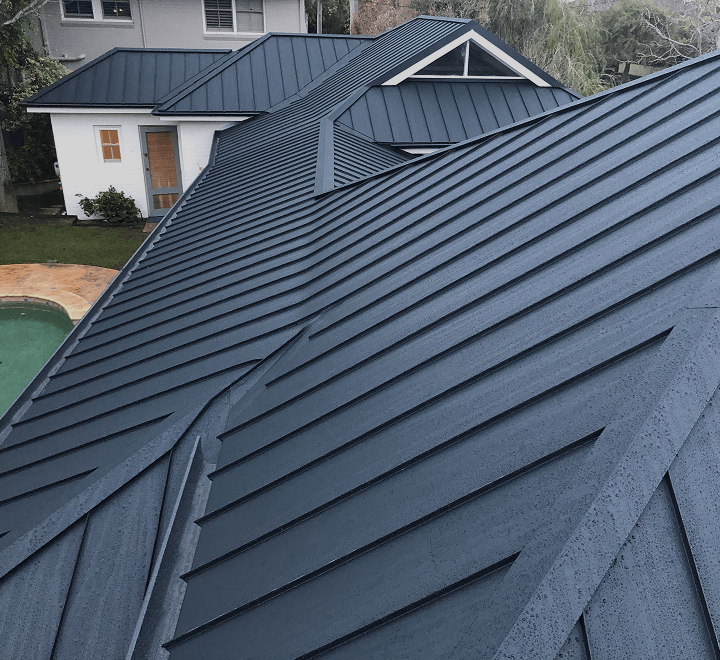
For most Perth residential re-roofs, the process looks something like this:
Timeframes vary from one to five days depending on roof size, complexity, and material choice. A specialist roofing contractor will confirm timelines upfront and keep you informed through the project.
If your roof is showing any of the signs above, the sooner you get an inspection, the better. Catching deterioration early keeps your repair or replacement options open and prevents the kind of water damage that turns a roofing job into a structural renovation.
Carter Roofing offers free site inspections and detailed quotes across Perth and WA. Our team has over 25 years of experience across re-roofing, new builds, heritage restoration, and bespoke architectural projects. We will give you a straight assessment of what your roof needs and what it will cost, with no pressure and no padding.
Contact us today or request a quote through our website to get started.





.svg)