
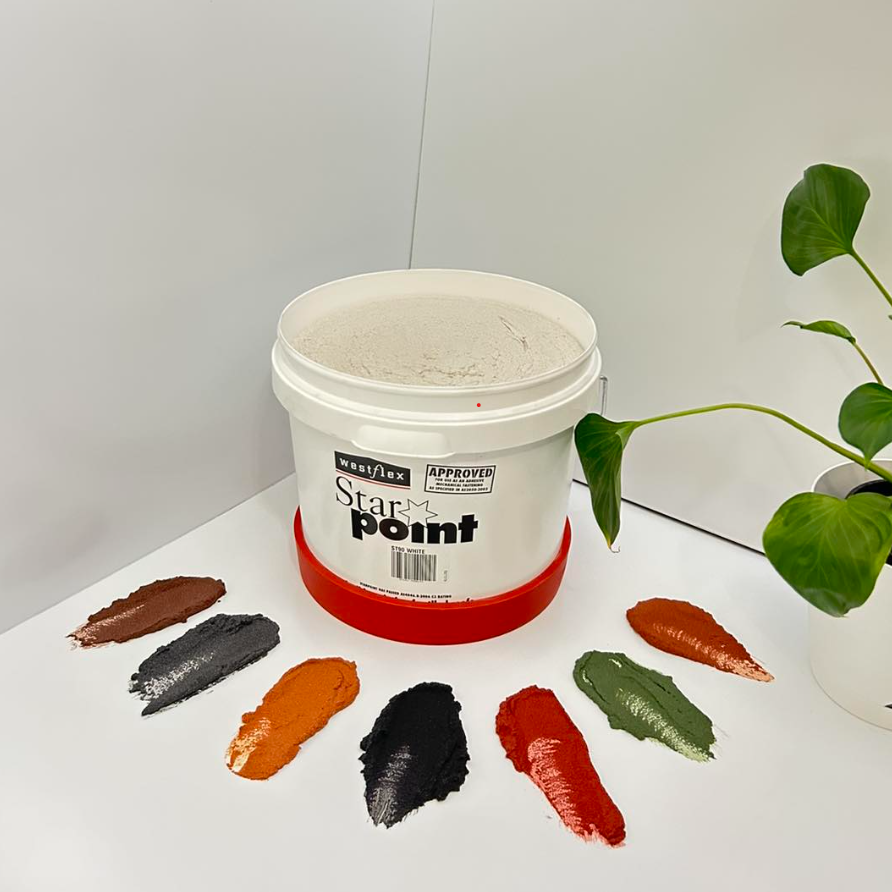
Manufactured in Australia by Westflex, Starpoint replaces traditional cement-based pointing with a permanently flexible acrylic compound that moves with the roof rather than cracking away from it. It is available in a range of colours to suit terracotta, concrete tile, and most common Perth roof finishes, and carries a 10-year warranty against defects when applied to manufacturer guidelines.
Starpoint has been tested to AS4046.8-2006 and achieved the maximum C3 wind rating, qualifying it as a mechanical fixing system under AS2050-2002 for the installation of roof tiles. Its pure-grade acrylic resin and UV-resistant pigments hold colour and flexibility across Perth's wide temperature range and coastal conditions without the brittleness that causes conventional mortar to fail over time.
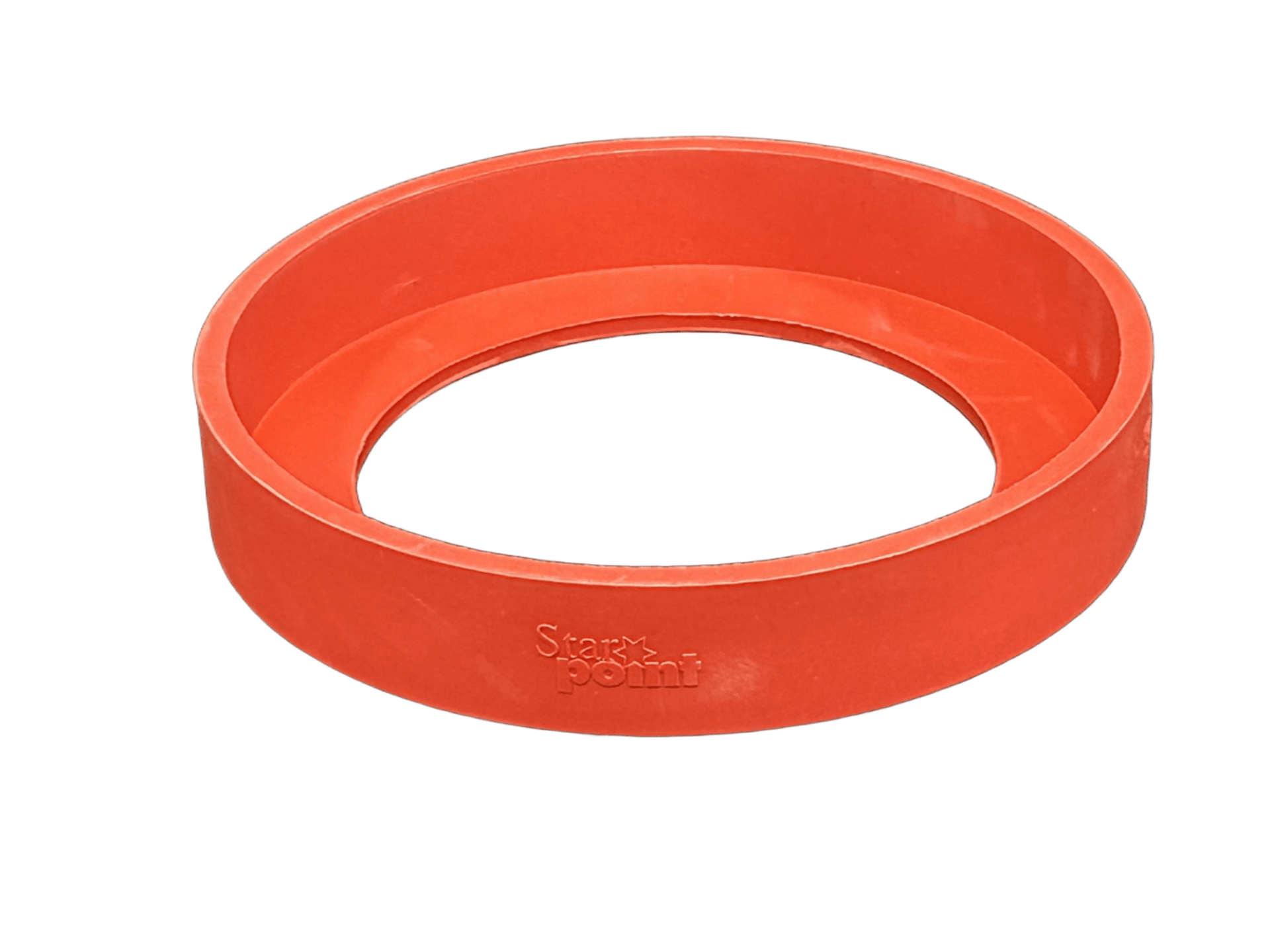
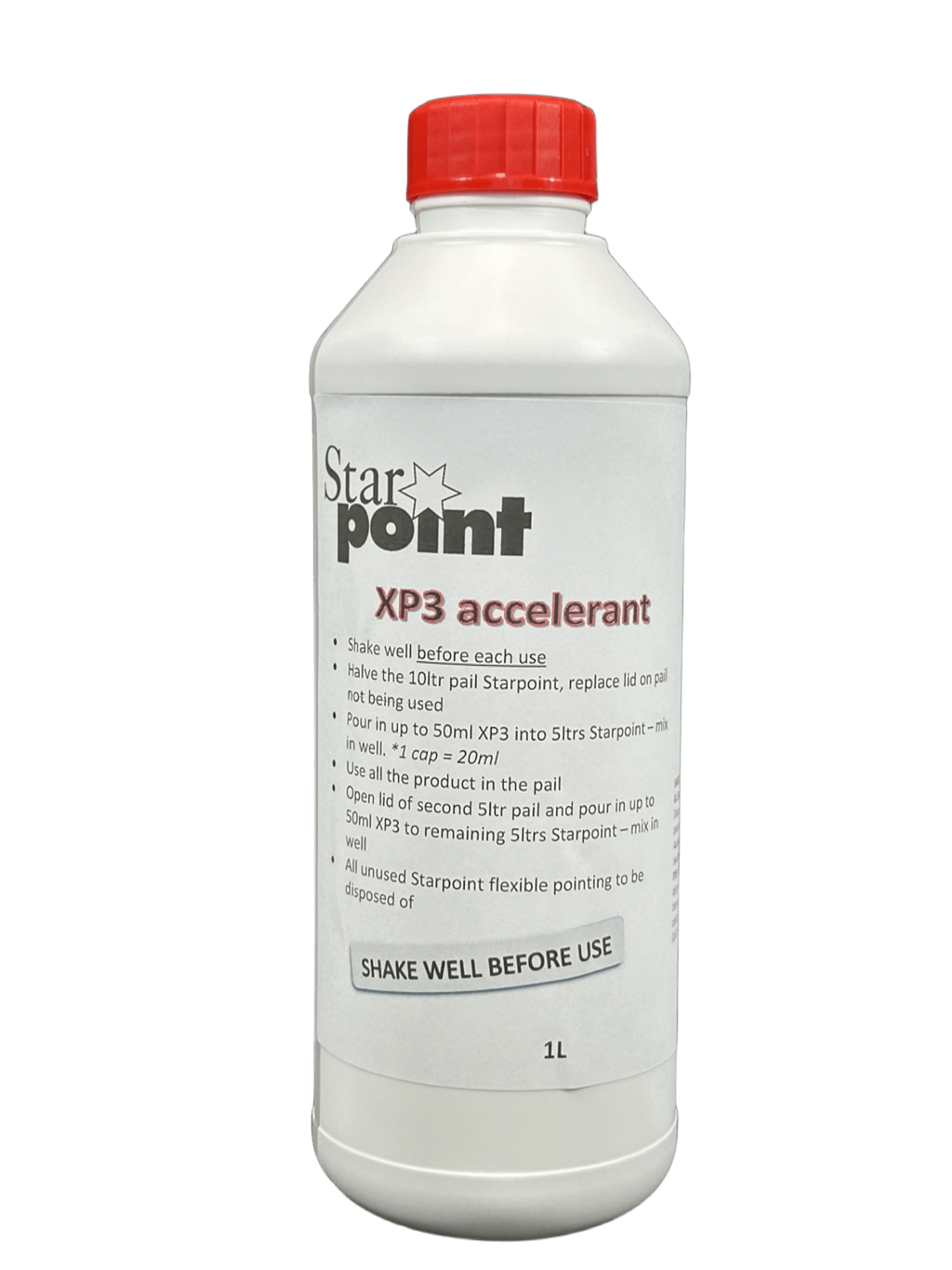
The range also includes the XP3 Accelerant, a mix-in additive that improves weather resistance during cooler or wetter conditions, and the Bucket Boot, a moulded rubber ring that keeps the 10 litre pail stable on pitched roof surfaces during application. At Carter Roofing, we use Starpoint on our own tile work and stock the full range for roofers and homeowners buying retail. Contact us to arrange supply or to discuss installation.
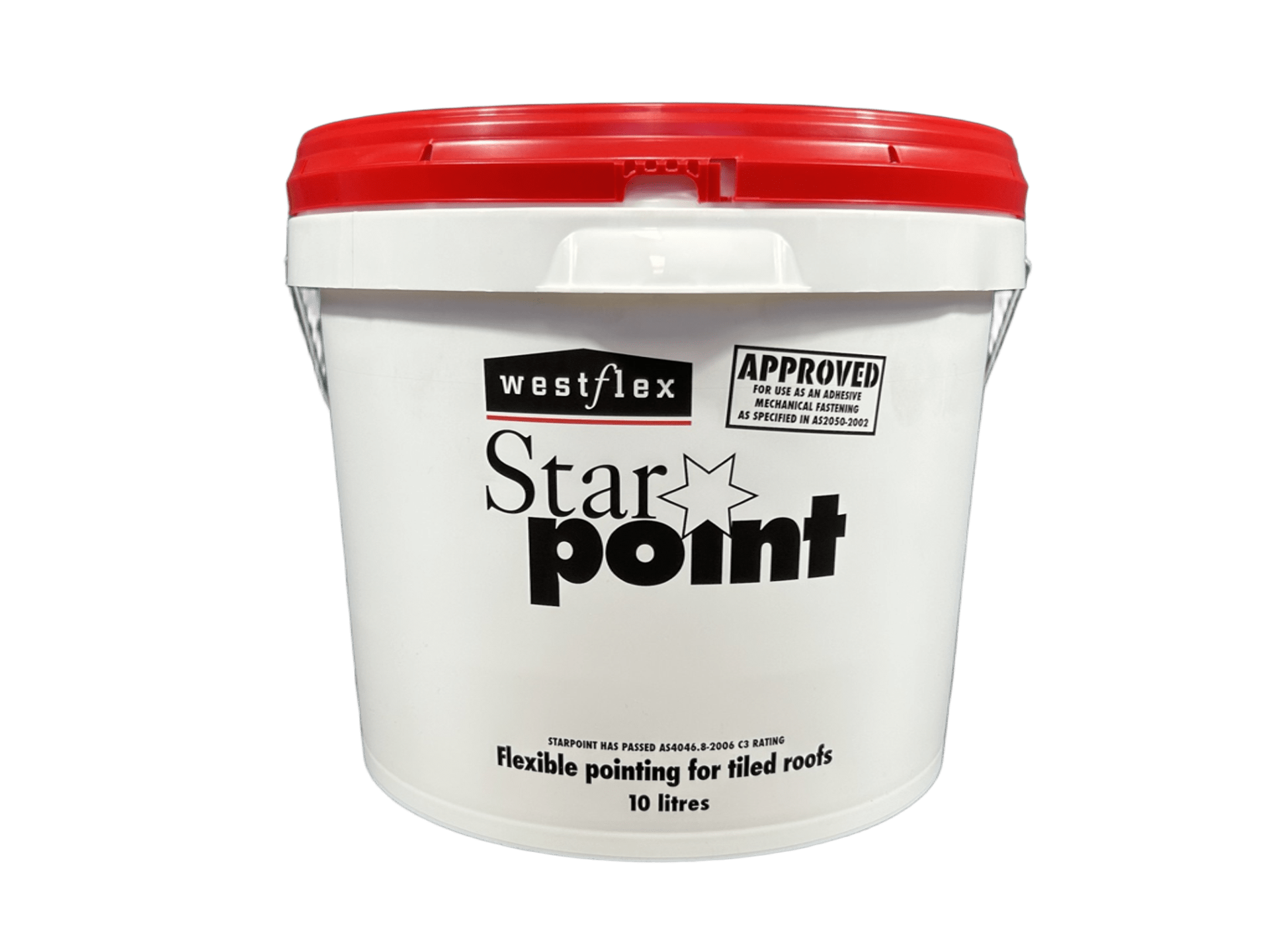

Traditional cement mortar is rigid. Over time, the natural movement of a tiled roof caused by temperature changes causes cement pointing to crack and break away, letting water in and requiring ongoing repairs. Starpoint is a permanently flexible acrylic compound that moves with the roof, so it does not crack under normal roof movement. It also holds its colour far better than cement, which tends to fade and deteriorate with UV exposure. For most tiled roofs in Perth, Starpoint is the more durable long-term option.
Yes. Starpoint is available in a range of colours covering the most common Perth roof tile finishes, including terracotta tones, greys, blacks, and earthy neutrals. Getting the colour right matters, particularly on re-ridging and restoration work where the pointing needs to blend with existing tiles. Contact us with your tile type or a photo of your roof and we can help you identify the right shade before you buy.
Both. We stock Starpoint and the full accessory range for roofers and homeowners who want to buy direct. If you would prefer the work handled by our team, we supply and install Starpoint as part of re-ridging, roof restoration, and new build jobs across Perth. Get in touch and we can advise which option makes more sense for your situation.
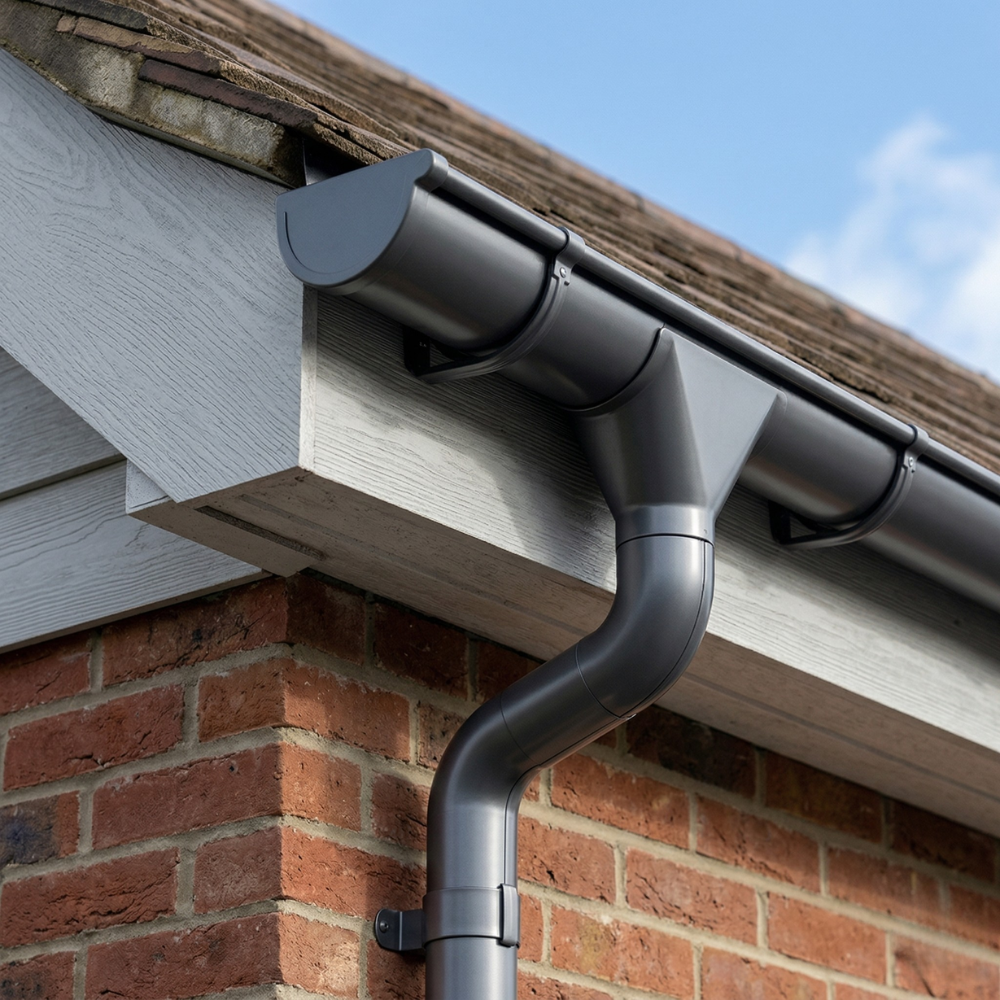
Used across gutters and downpipes, Lindab® systems feature a half-round profile that improves water flow and reduces debris build-up when compared to conventional internal bracket designs.
Its external bracket system supports structural strength while maintaining a clean internal channel, allowing water to move freely through the system with reduced risk of blockage or backflow. With zinc-coated steel construction and dual-sided protective coatings, Lindab® performs reliably in coastal and exposed Australian environments.
At Carter Roofing, Lindab® systems are installed using modular clip-lock components and compliant overflow detailing to direct excess water away from the property and prevent moisture ingress during extreme rainfall events.
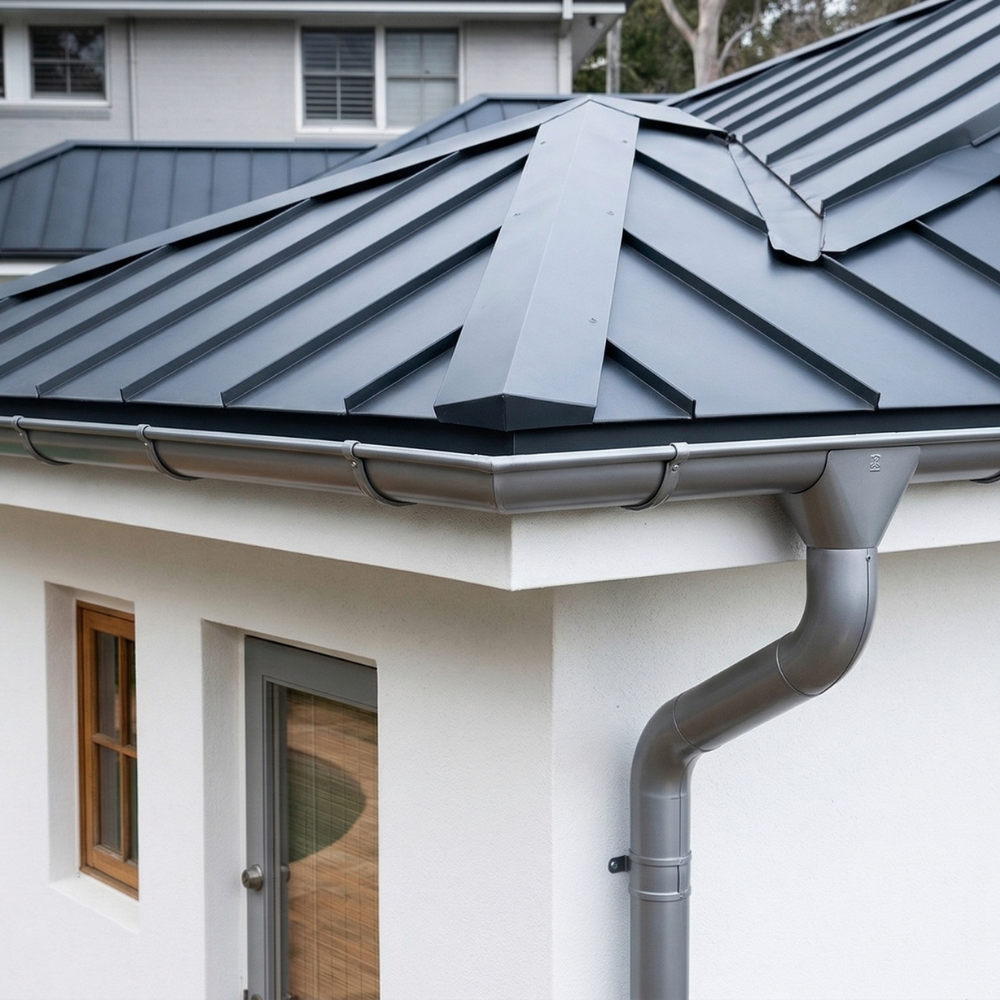
Lindab® uses:
This helps minimise blockage risk and prevents overflow water from entering the roof space or building envelope.
Yes.
Lindab® systems are designed to manage high-capacity rainfall events by directing overflow water away from the structure rather than back toward the roofline or internal cavity.
Lindab® systems are designed to be low maintenance.
External brackets and debris diverters help reduce leaf build-up, though routine inspection and cleaning is still recommended to maintain long-term performance.
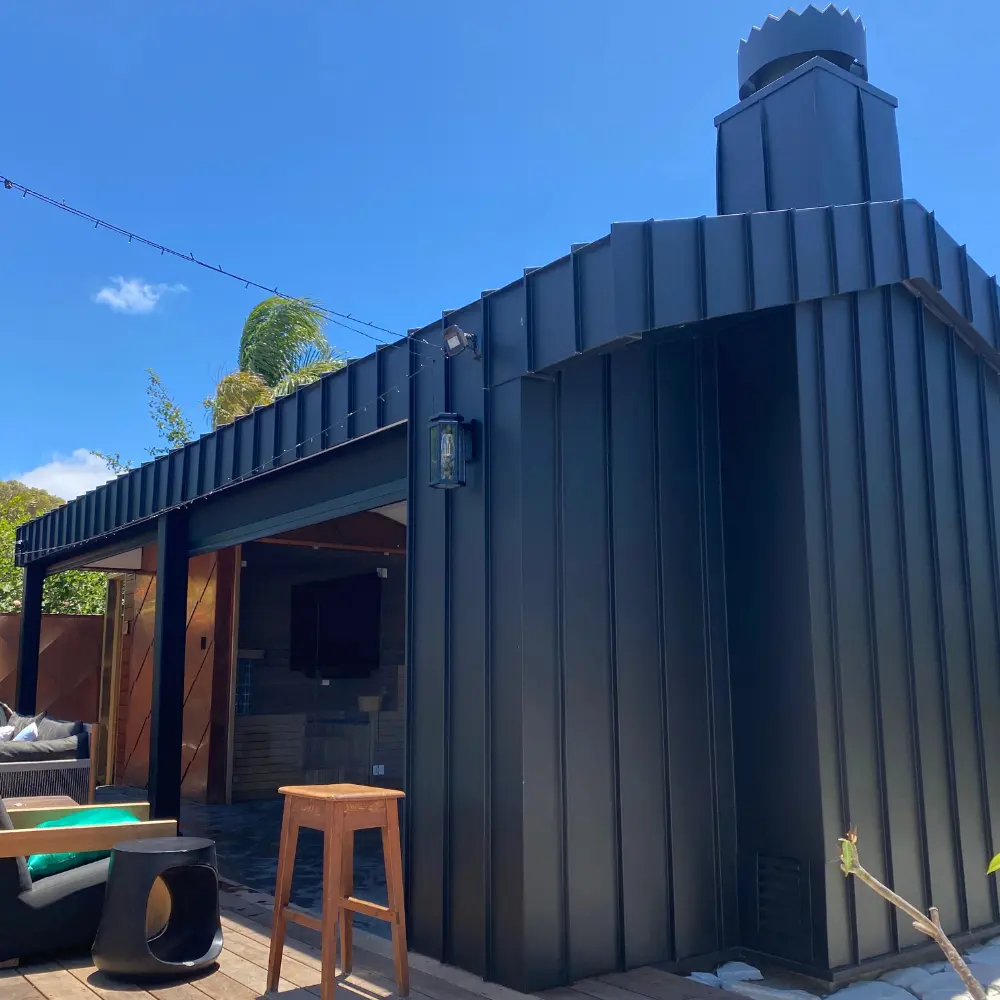
Used across standing seam roofing, wall cladding, and integrated rainwater goods, GreenCoat® supports clean architectural lines and consistent detailing across exposed junctions and transitions. Its bio-based coating technology improves surface stability while maintaining structural performance in demanding environments.
With strong resistance to UV exposure, moisture, and coastal air, GreenCoat® performs reliably in Australian conditions.
At Carter Roofing, we install GreenCoat® systems with precise setting out and correct fixing methods to manage thermal movement, protect critical detailing, and maintain a stable architectural finish over time.
GreenCoat® colour coated steel is commonly used for:
It is suitable for both new build and re-roofing applications.
Yes.
When specified correctly for the site, GreenCoat® offers strong resistance to corrosion and moisture exposure, making it suitable for coastal and exposed environments across Western Australia.
Service life depends on environmental exposure and installation quality.
When detailed and installed correctly, GreenCoat® roofing systems are designed to provide long-term performance with reliable resistance to UV exposure and weathering.
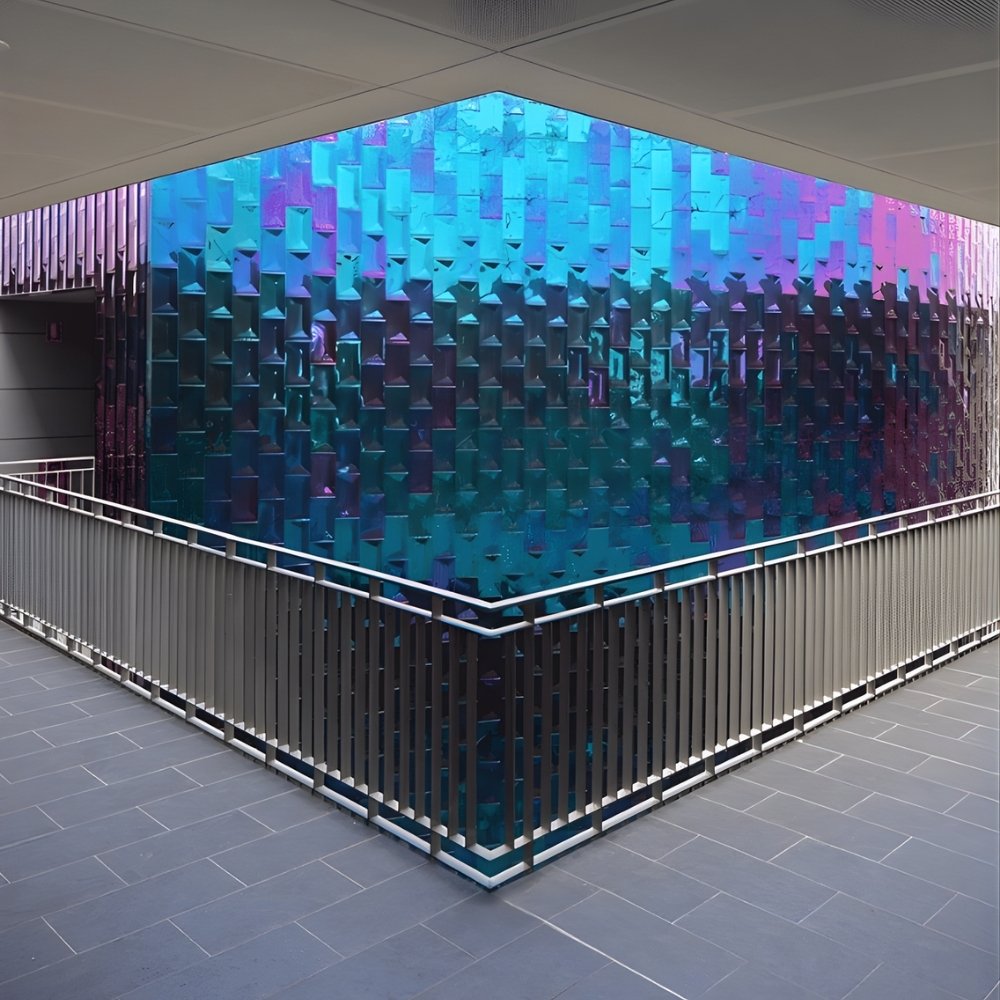
Used across roofing, flashings, copings, gutters, and feature detailing, stainless steel delivers clean lines and a refined metallic tone that suits modern and minimalist architecture. Its surface remains stable and low maintenance, while its structural strength supports sharp junctions, tight transitions, and consistent alignment across exposed edges.
With excellent resistance to moisture, salt-laden air, and harsh weather, stainless steel performs reliably in both coastal and urban environments. At Carter Roofing, we install stainless steel with precise setting out and correct fixing methods to manage movement, protect critical details, and maintain a clean, architectural finish over time.
The result is a durable, high-performance system that balances technical integrity with timeless modern appeal.
Yes. Stainless steel can be used for roofing and cladding, particularly where durability and corrosion resistance are priorities. It is a premium specification and less common than standard steel systems.
Stainless steel resists corrosion exceptionally well when the correct grade is specified. In exposed environments, selecting the right grade and finish is critical.
It depends on the finish. Roofing-grade stainless is often selected in:
to reduce glare and suit architectural design
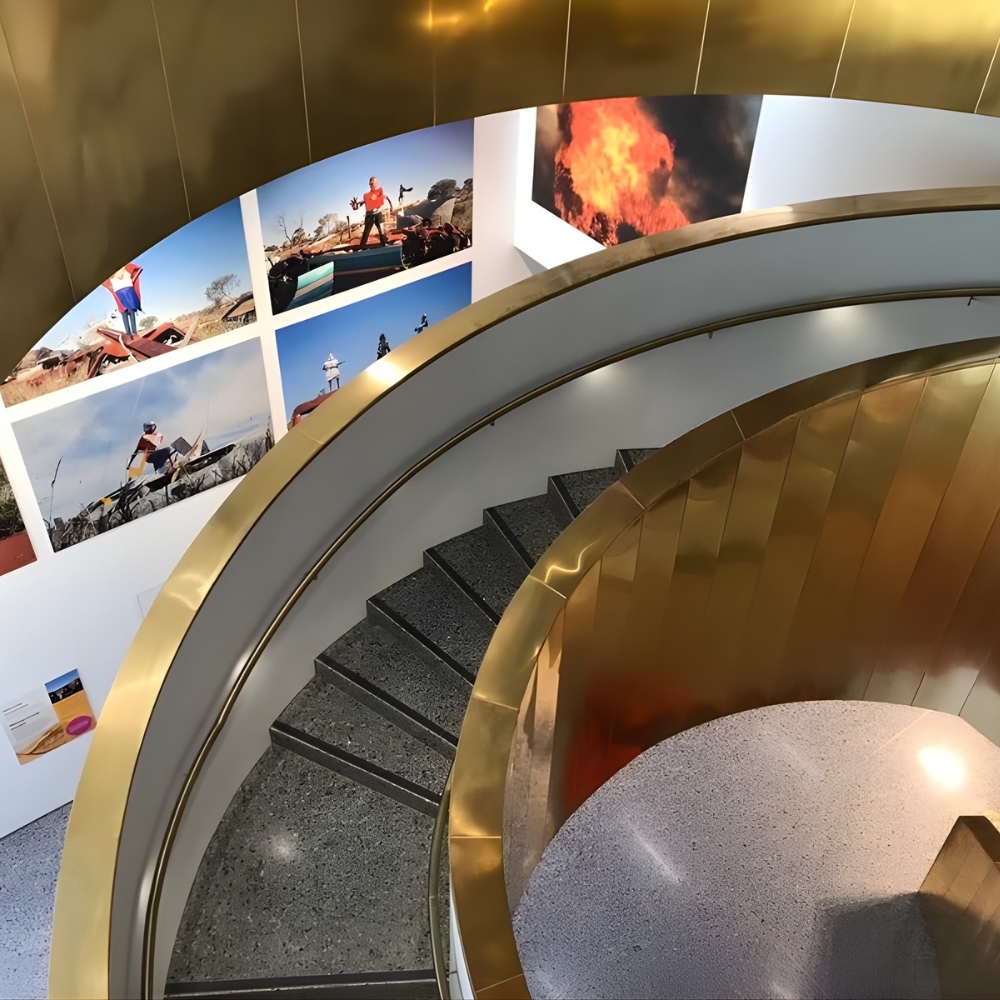
Used for feature roof sections, cappings, flashings, and bespoke detailing, brass delivers a distinctive golden tone that gradually deepens into a more muted, layered finish. This evolving surface suits design-led projects where material expression matters, and where junctions, edges, and transitions need to look intentional, not patched together.
Brass is highly durable and corrosion-resistant, performing well across a range of conditions when detailed correctly. Its workability also makes it ideal for precision-formed elements where craftsmanship is visible.
At Carter Roofing, we install brass with careful setting out, secure fixings, and correct separation from surrounding materials to ensure clean integration and stable long-term performance. The result is a refined architectural finish that reads premium from day one and improves with age.
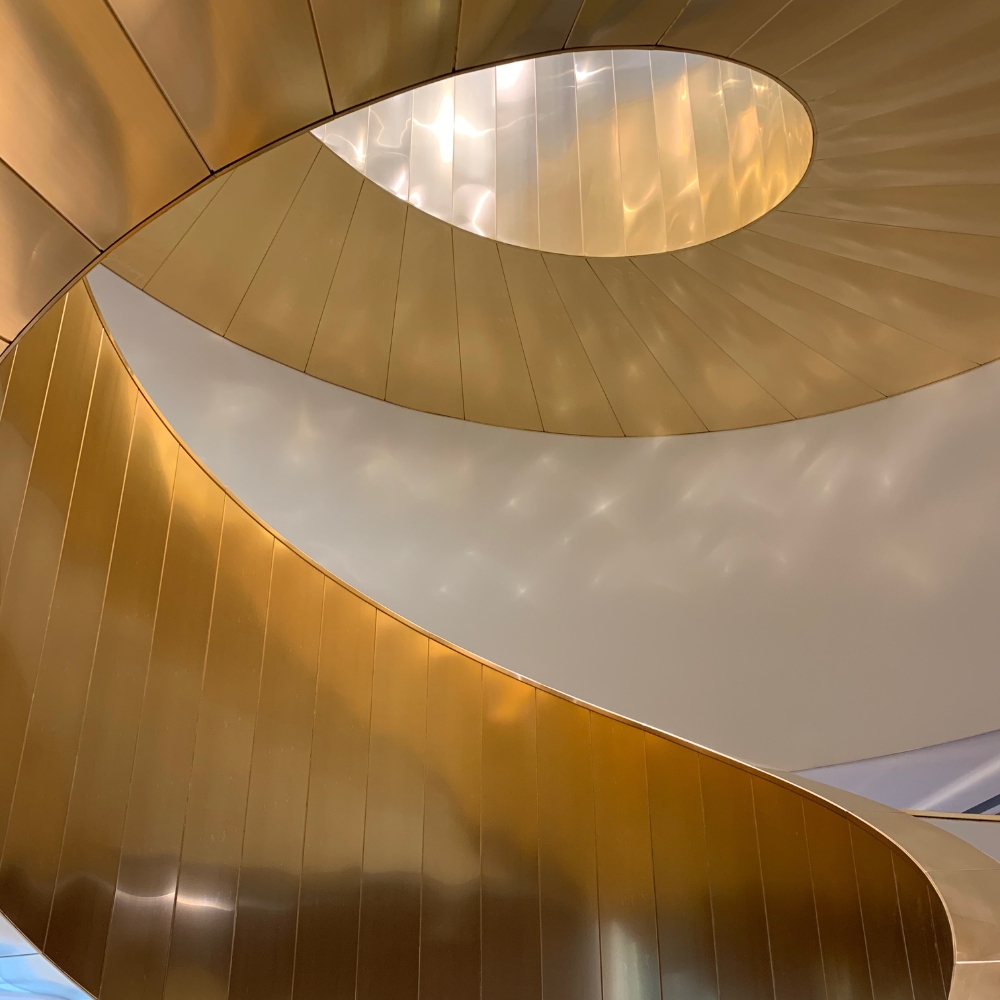
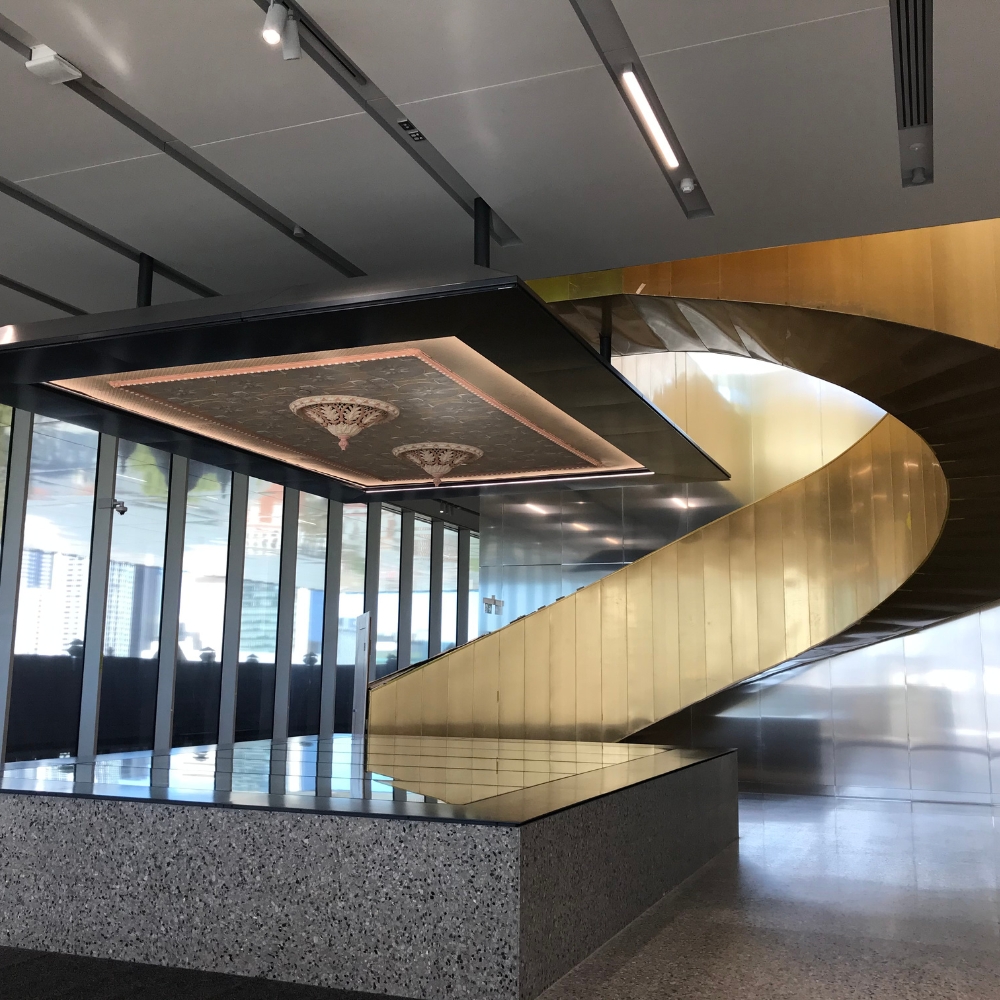
Brass is typically used for feature elements, not large roof fields. Common uses include:
Brass will change over time outdoors. It usually softens from a bright gold tone into:
This is normal and expected.
It can, depending on how water is directed. Good detailing helps manage this, including:
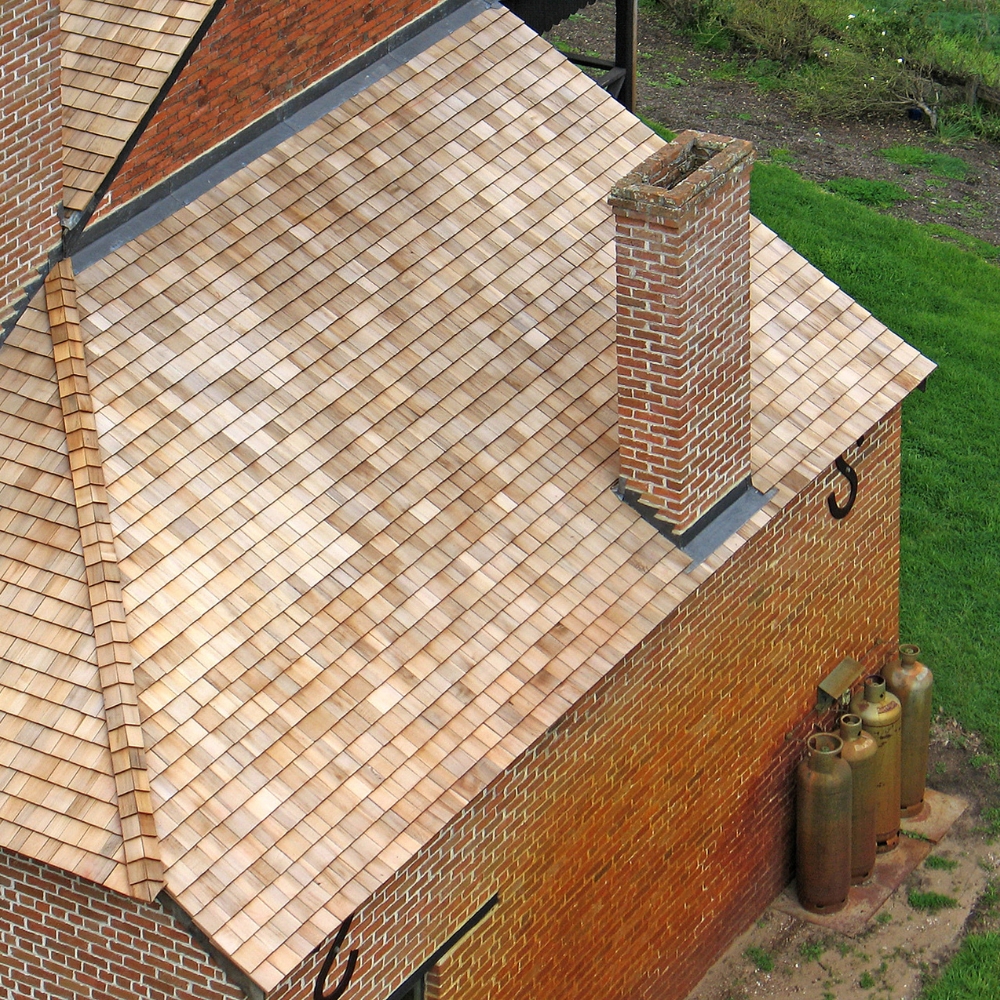
Wooden shingles create a richly detailed roof surface with an organic, handcrafted look that suits both heritage-inspired builds and refined contemporary architecture. Made from quality timber, they weather gradually over time, softening in tone and developing depth that adds character rather than looking worn out.
Timber is naturally breathable and offers solid thermal performance, helping support comfort when the roof system is detailed correctly. Because shingles are a higher-care material, long-term results come down to proper pitch, drainage, ventilation, and clean junction detailing, all of which we prioritise during planning and installation.
At Carter Roofing, we install wooden shingles with precise spacing, correct fixing methods, and careful weatherproofing around edges, penetrations, and transitions. The result is a distinctive premium roof finish that delivers natural beauty with reliable performance when maintained appropriately.
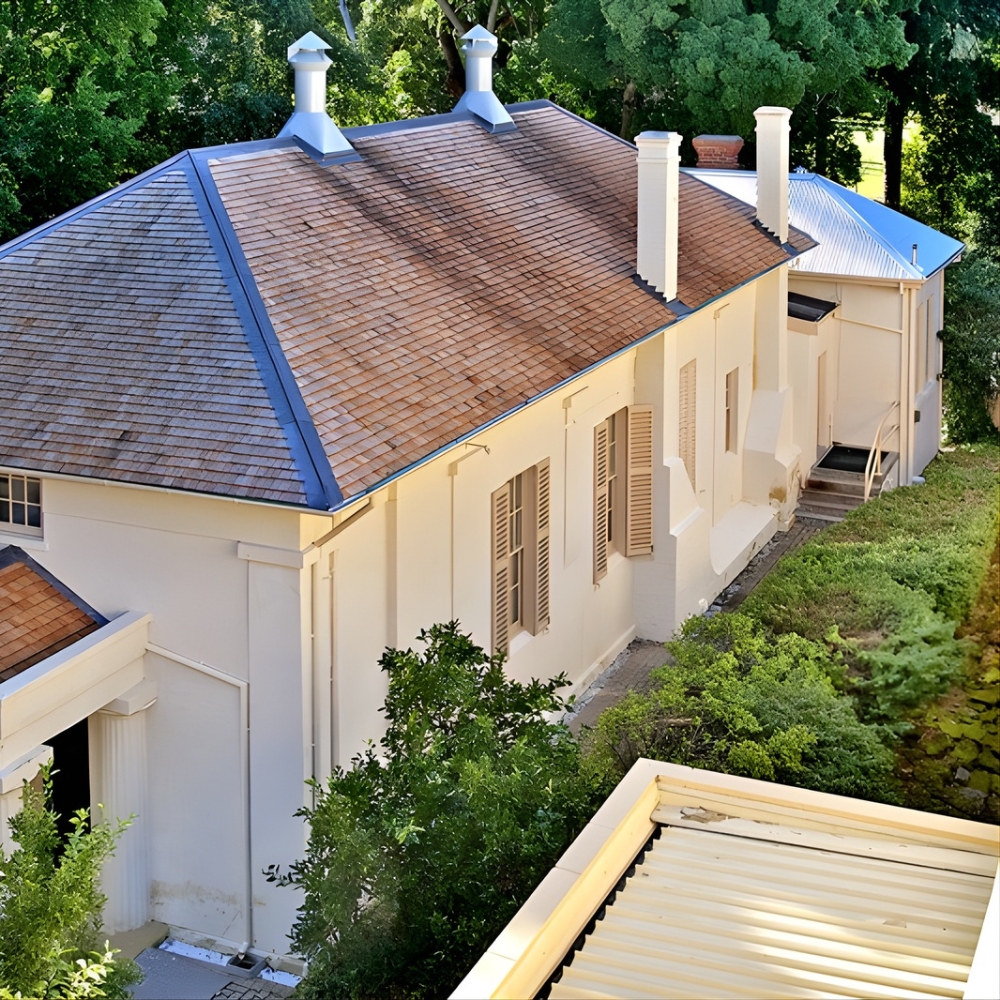
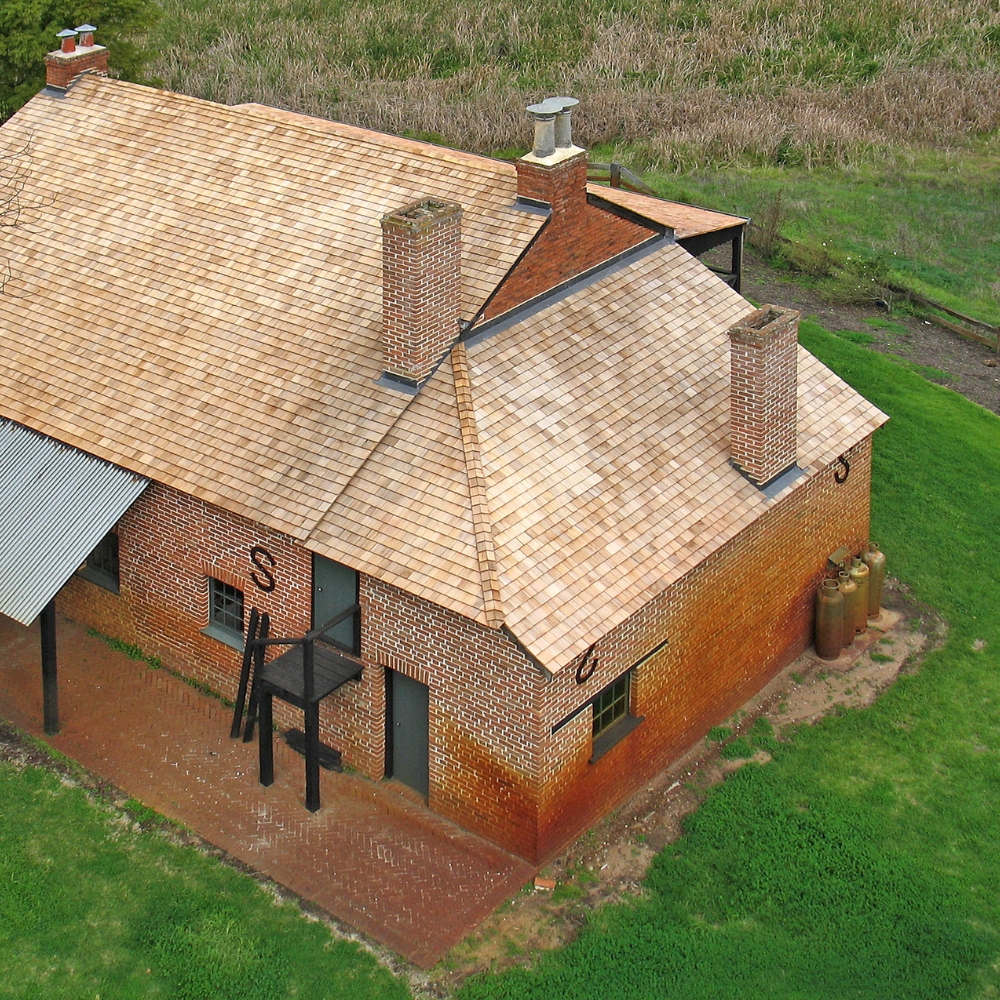
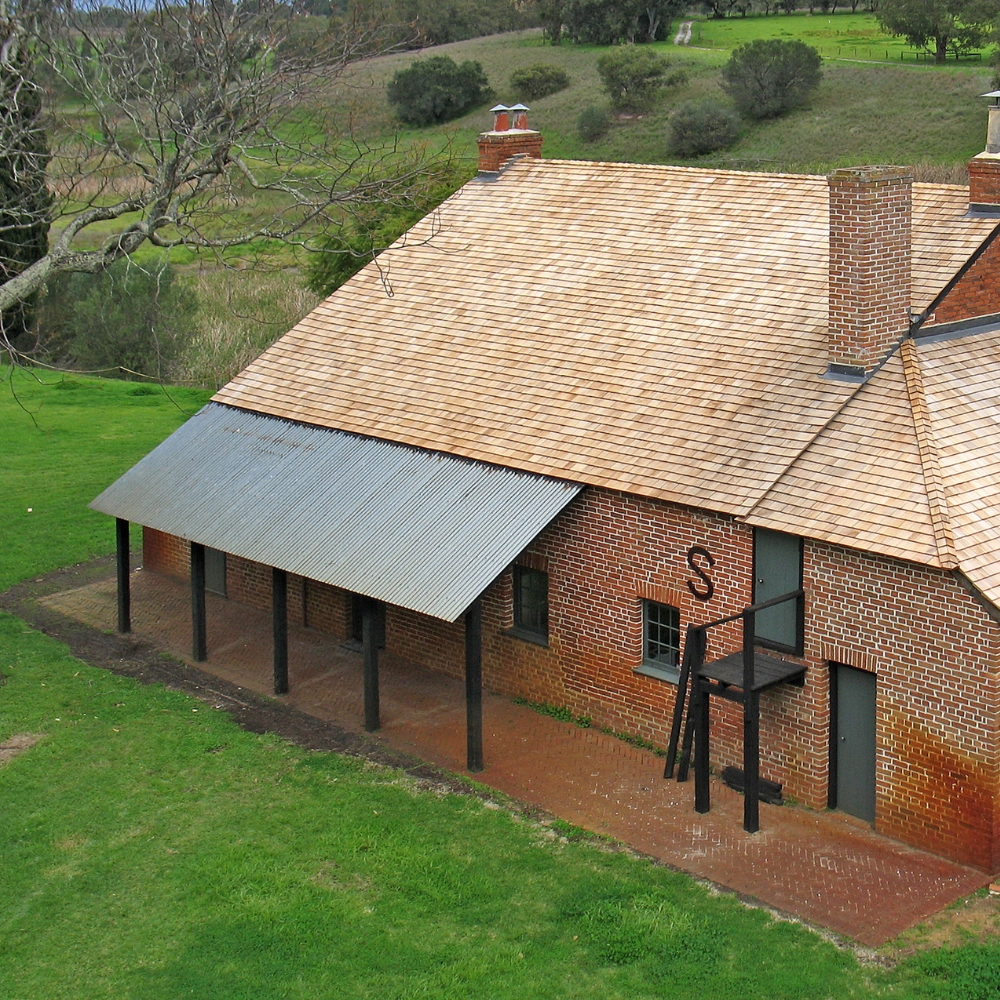
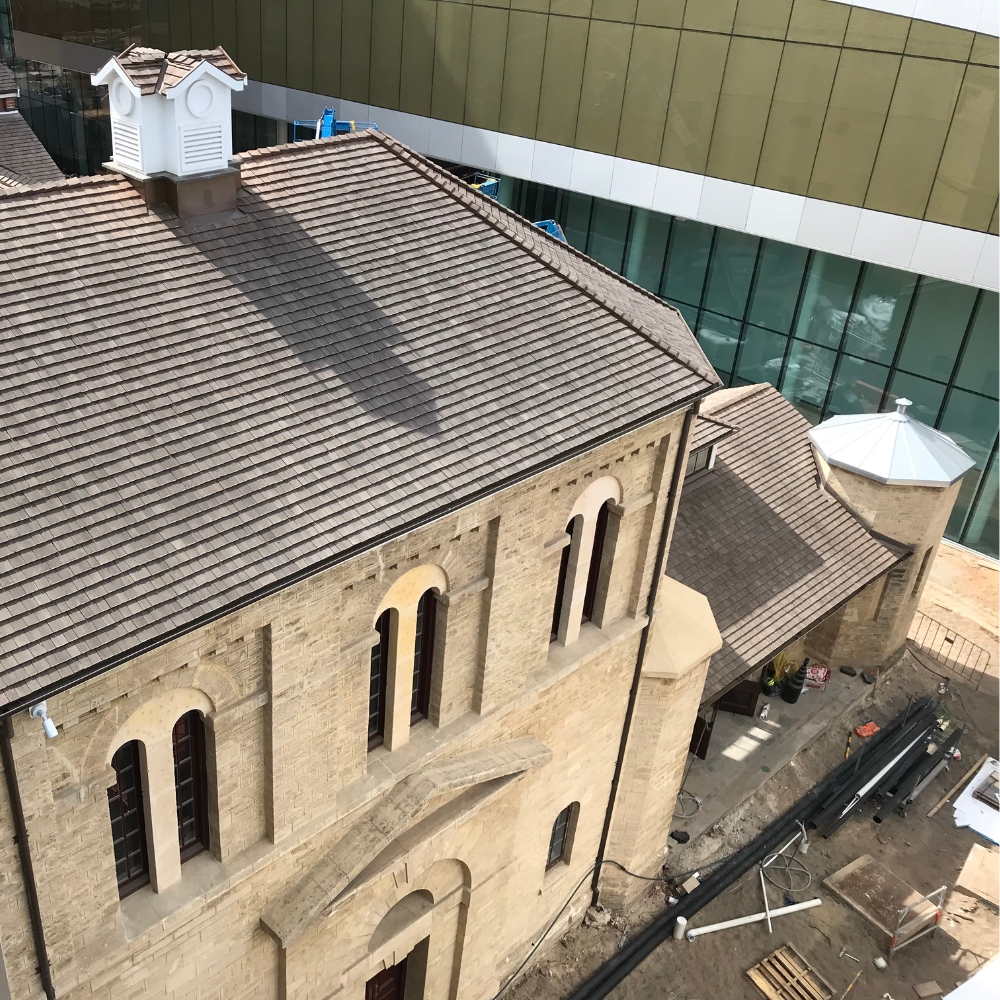
Wooden shingles are small timber units laid in overlapping courses. They are chosen for:
Timber shingles generally have a shorter lifespan than tile, slate, or metal. Longevity depends heavily on:
Yes. Timber shingles require more upkeep than most roofing systems, including:
They are chosen for the look, with maintenance as part of the trade-off.
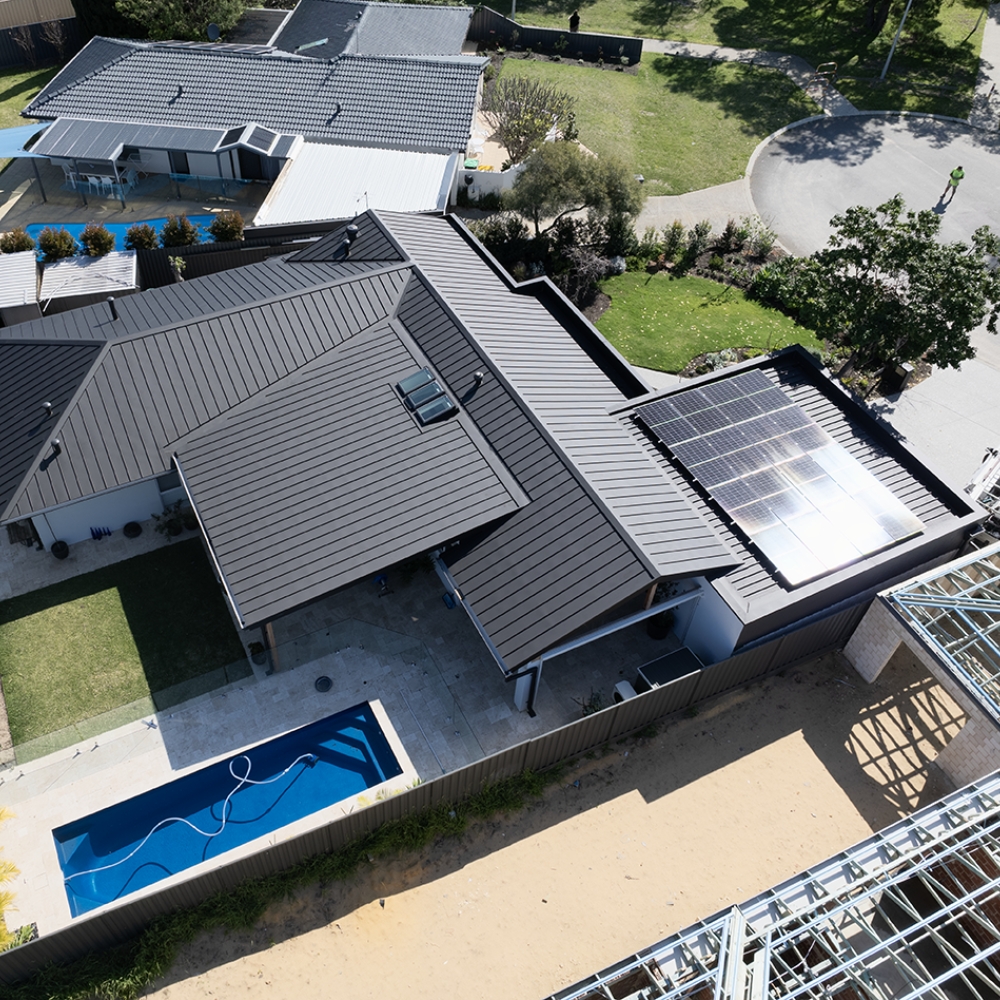
Colorbond roofing is a trusted option for residential architecture, combining strength, reliability, and a broad colour range. Manufactured from high-quality steel with advanced protective coatings, it delivers a clean, contemporary finish that suits everything from modern rooflines to more traditional home designs.
Engineered for Australian conditions, Colorbond performs strongly against UV exposure, wind, and temperature extremes, with excellent corrosion resistance when specified correctly for the site. Lighter colour selections can also support improved thermal comfort by helping reflect heat and reduce roof space temperatures.
At Carter Roofing, we install Colorbond systems with accurate detailing, correct sarking and flashing integration, and proven fixing methods to achieve a secure, watertight finish. The result is a long-lasting roof that balances architectural flexibility with low ongoing maintenance.
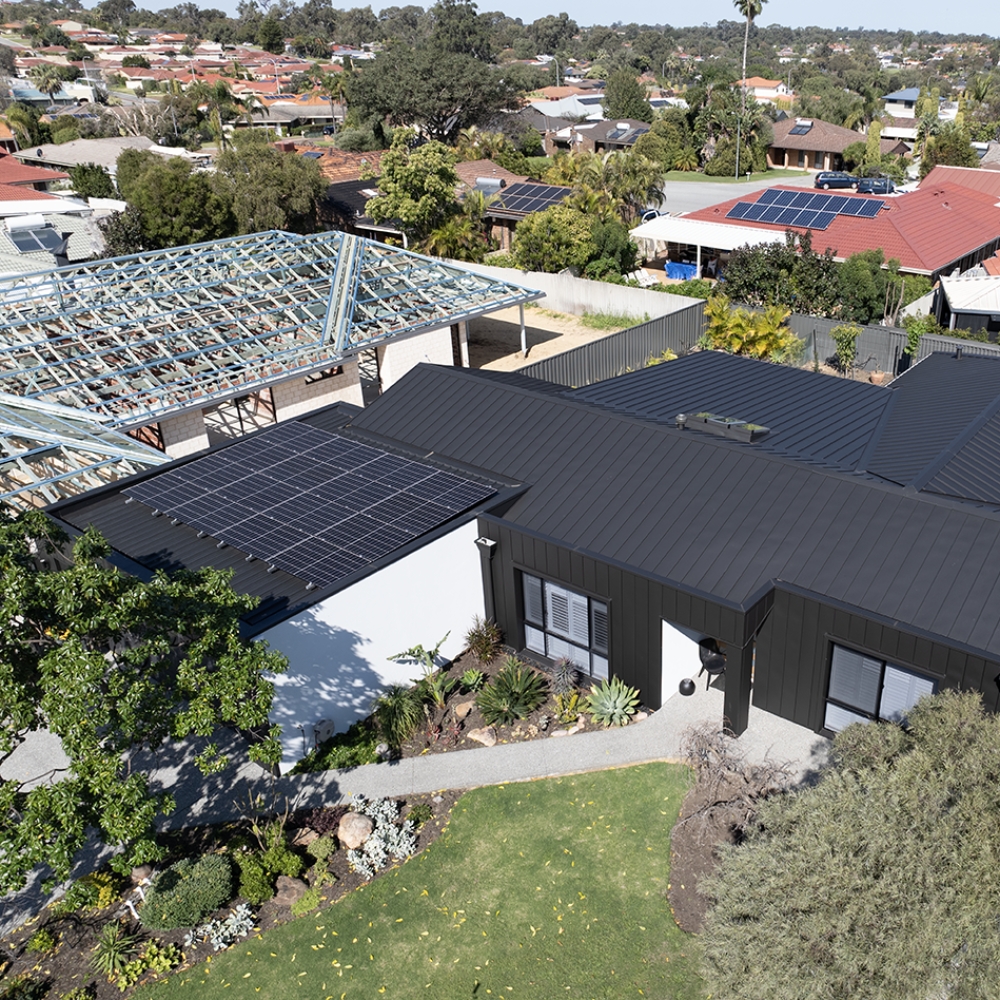
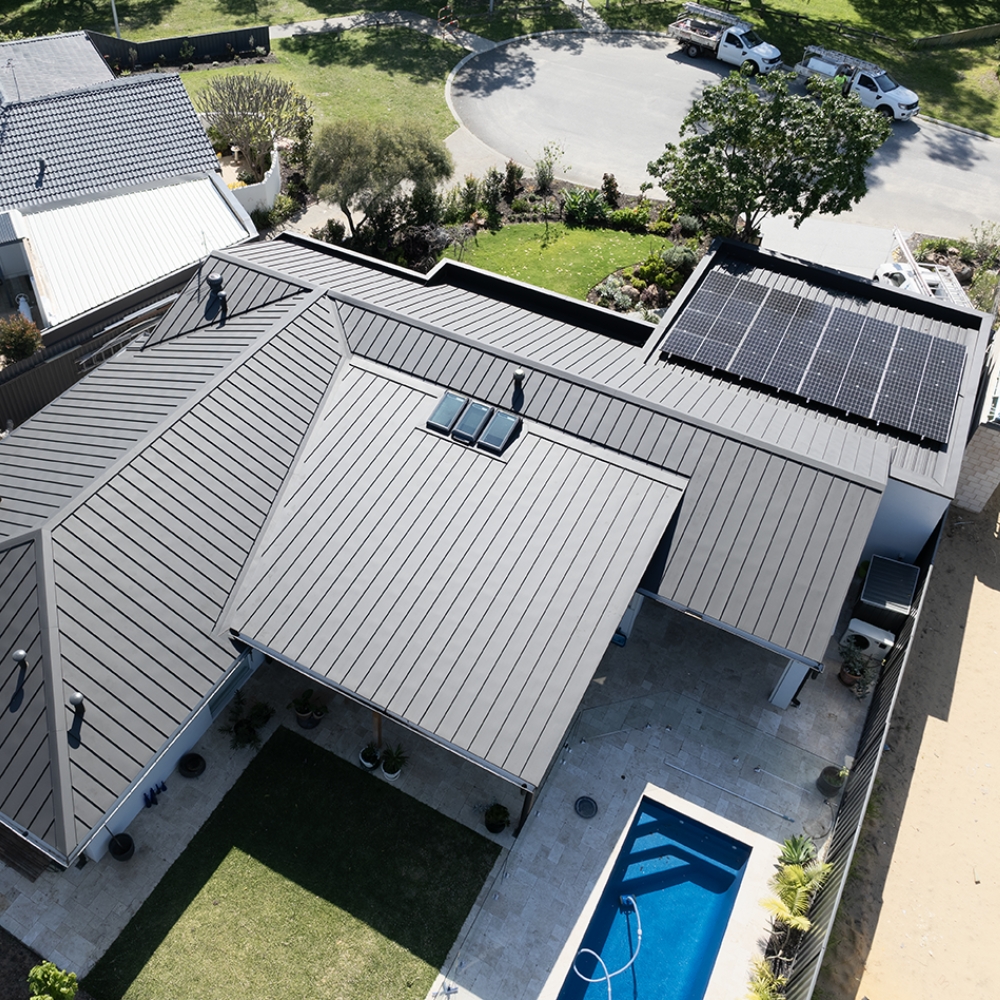
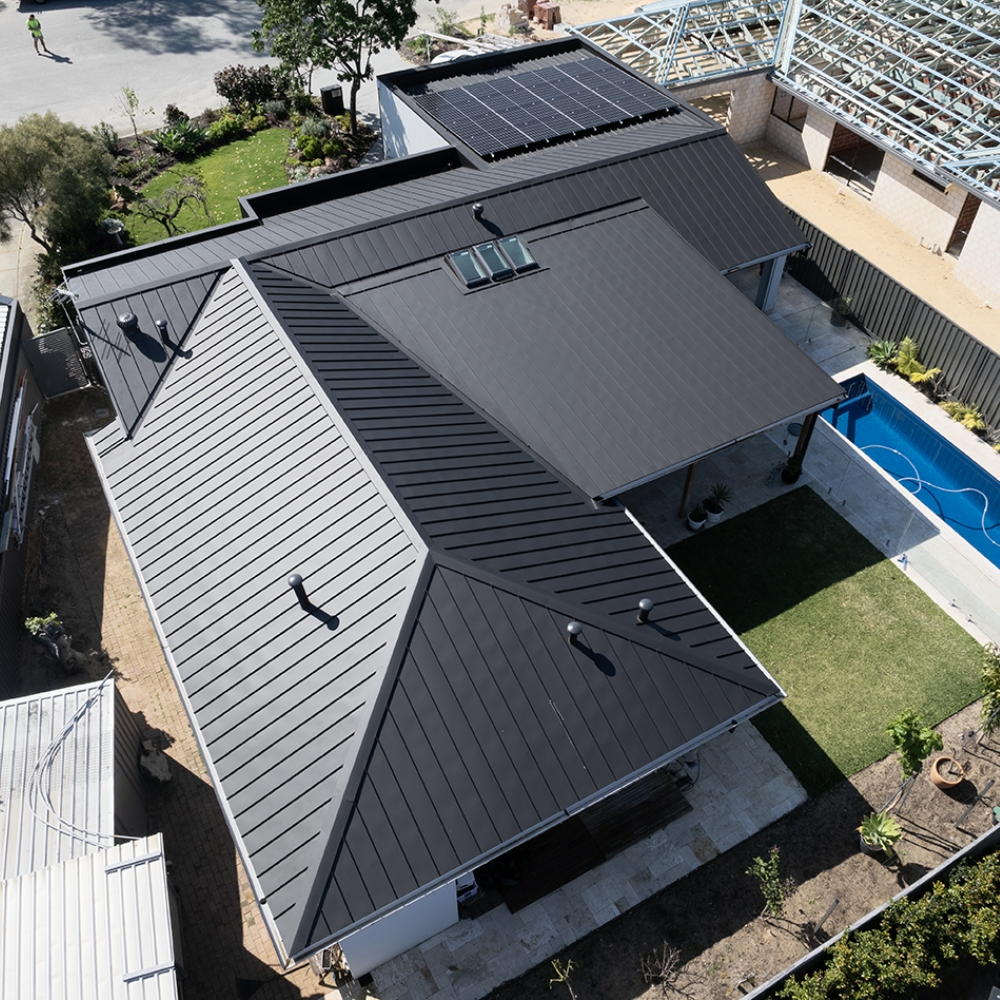
Colorbond® is pre-finished steel roofing designed for Australian conditions. It is used for:
It comes in a wide range of colours and profiles.
A properly installed Colorbond roof can last for decades. Longevity depends on:
All exterior finishes weather gradually. Colour change is typically slow and even. Choosing the right colour and maintaining clean roof drainage helps preserve appearance long-term.
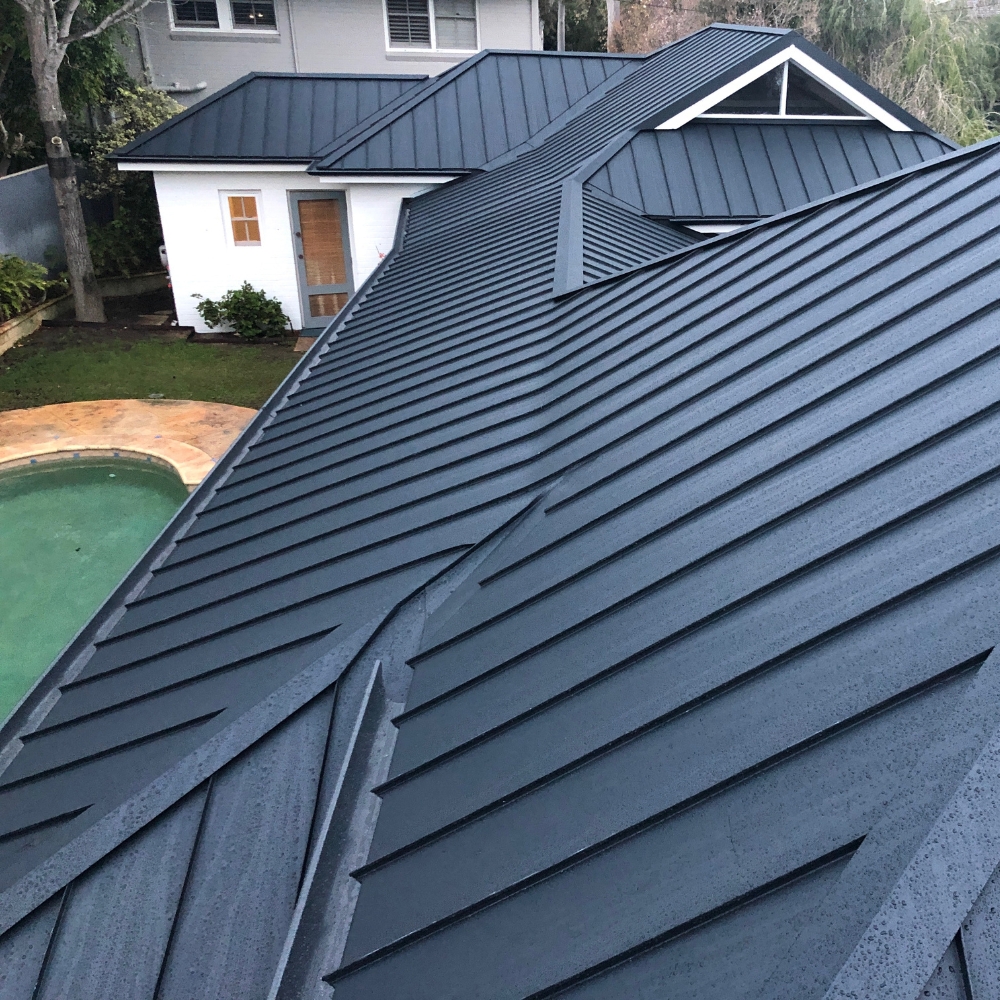
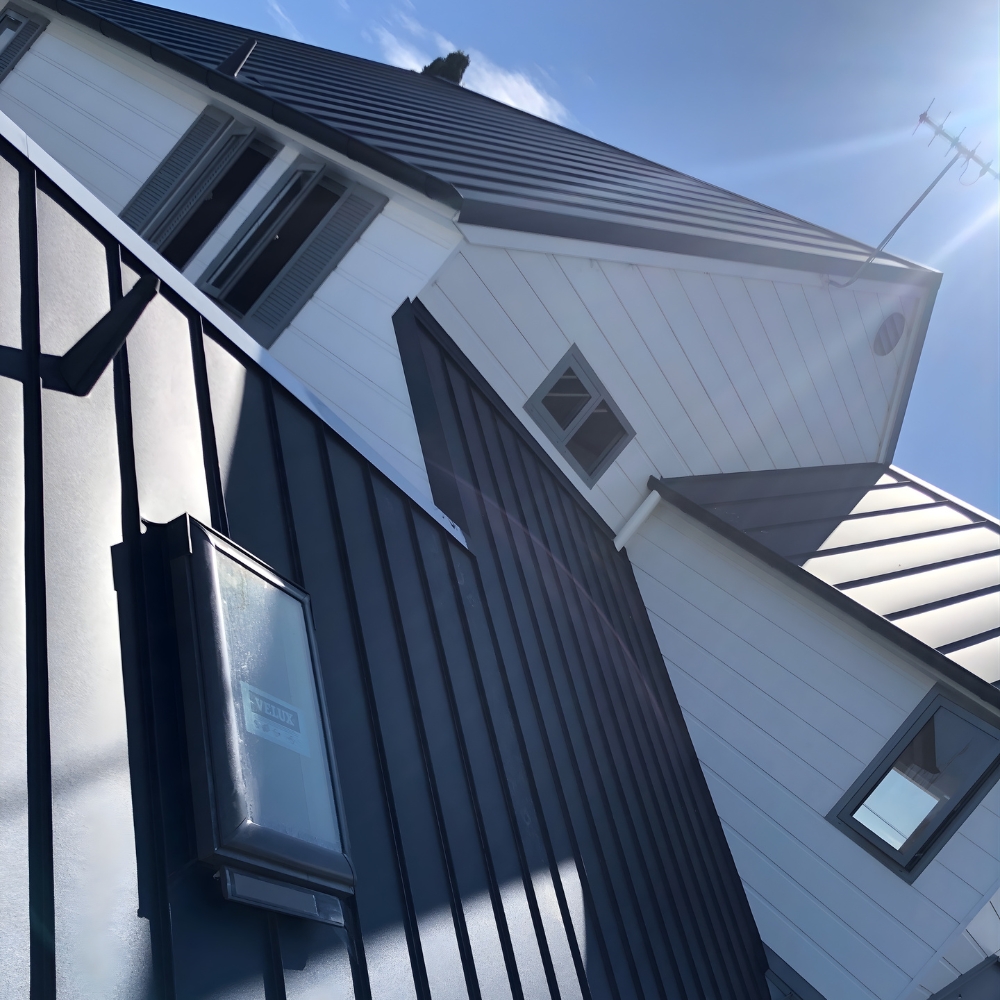
Aluminium roofing is valued for its crisp appearance, structural efficiency, and outstanding resistance to corrosion. Its low weight makes it a strong option for a wide range of residential projects, including renovations and design-led builds where reducing roof load and simplifying installation matters.
Highly resistant to moisture, salt air, and UV exposure, aluminium performs especially well in Australian conditions, particularly in coastal locations. With the right profile and finish, it maintains a stable, refined look over time while supporting consistent thermal comfort and dependable roof performance.
At Carter Roofing, aluminium roofing systems are installed with accurate detailing, correct flashing integration, and proven fixing methods to achieve a secure, clean finish. The result is a durable, low-maintenance roof that combines architectural clarity with long-term confidence.
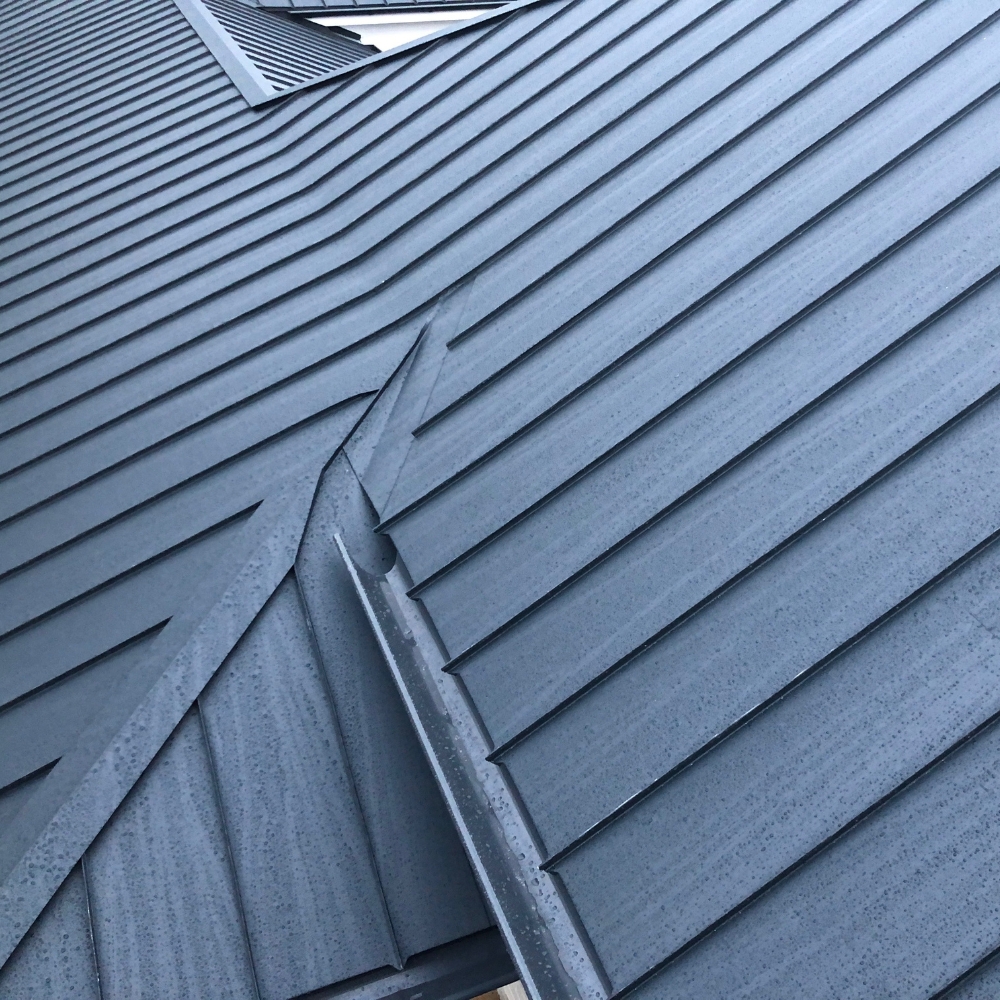
Yes. Aluminium is widely used near coastal areas because it offers strong resistance to corrosion when the correct specification and fixings are used.
Aluminium roofing can deliver long service life, particularly in high-exposure environments. Lifespan depends on:
Like other metal roofs, performance depends on the full build-up. With appropriate insulation and sarking, aluminium roofing can be comfortable and quiet in normal residential use.
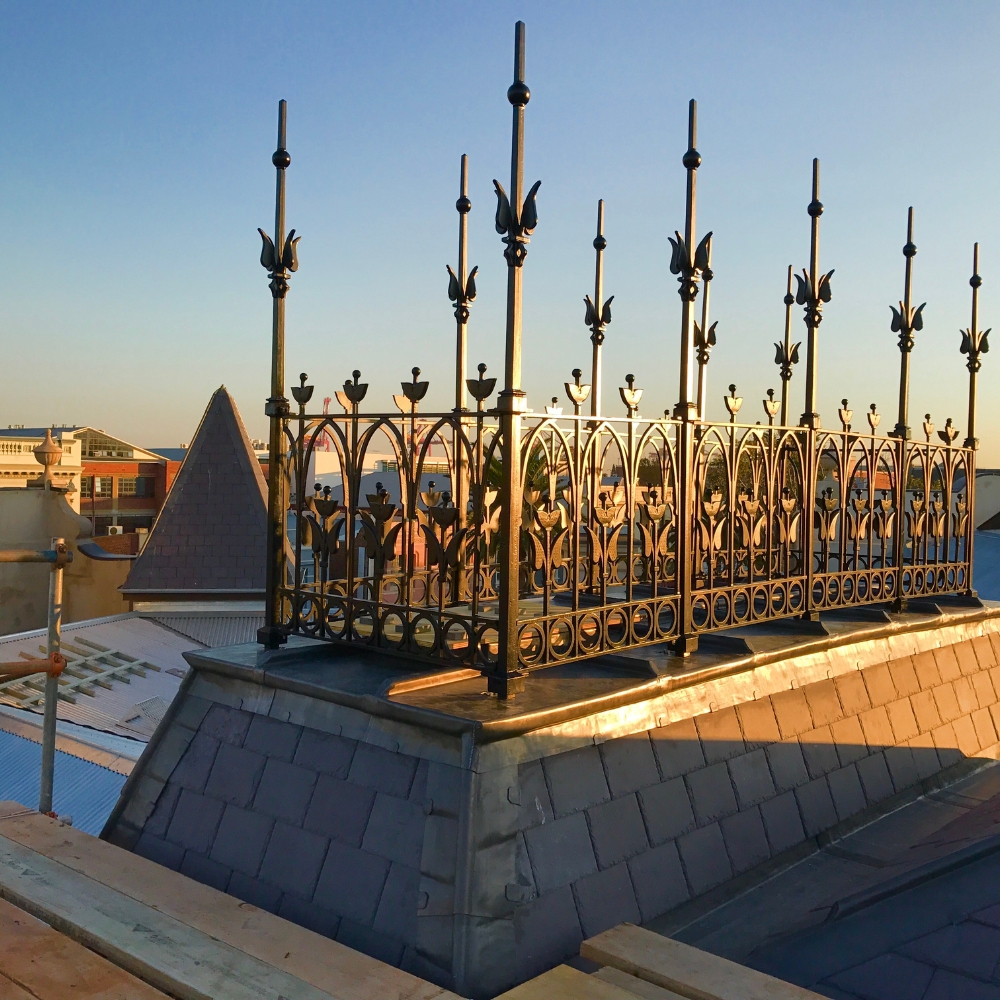
Lead has been used in roofing for centuries because it solves the hardest problems cleanly. Its flexibility allows it to be formed precisely around junctions, curves, chimneys, parapets, and complex roof features, creating reliable detailing where accuracy matters most.
Naturally durable and highly resistant to corrosion, lead performs extremely well in Australian conditions. It also handles thermal movement without becoming brittle, helping critical junctions remain stable over the long term through repeated heat cycles and seasonal change.
At Carter Roofing, lead is installed using proven, traditional methods and meticulous workmanship. Whether used for heritage restoration, specialist flashings, or intricate detailing, lead delivers a refined, long-life solution that integrates seamlessly with both period architecture and design-led modern builds.
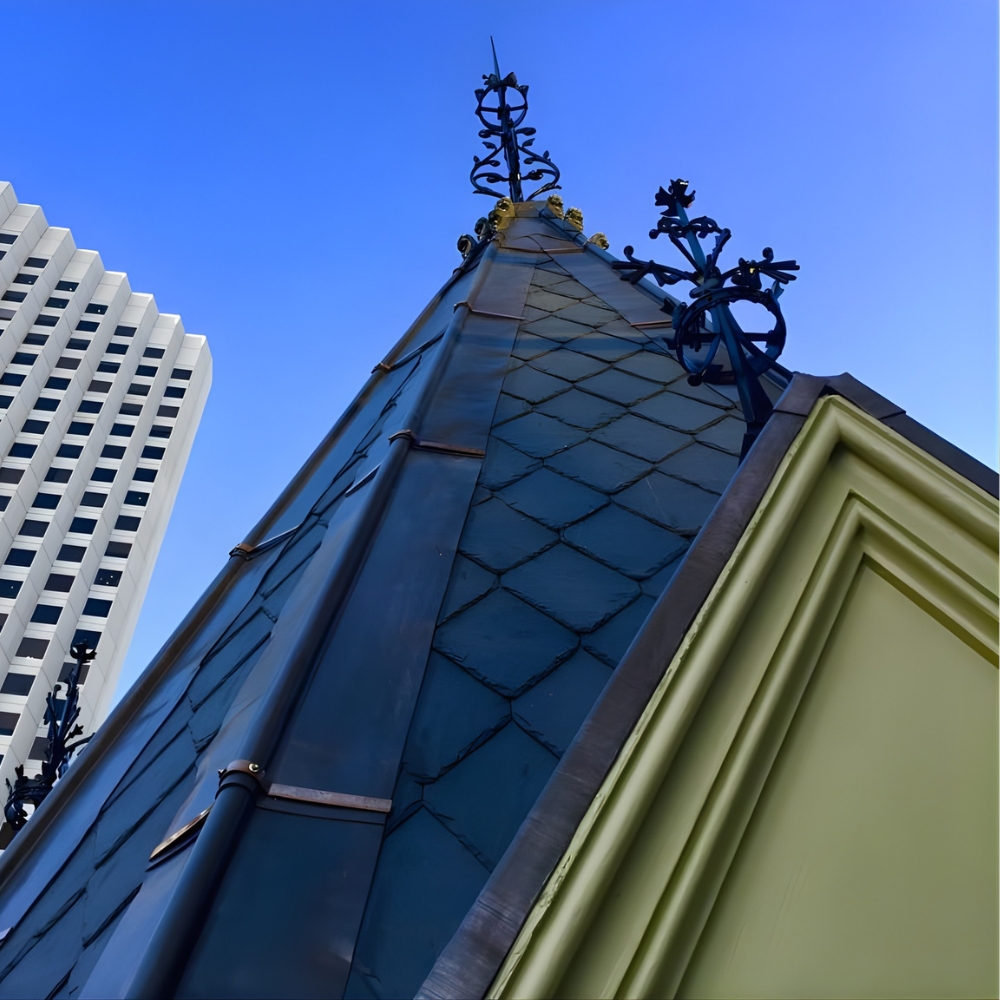
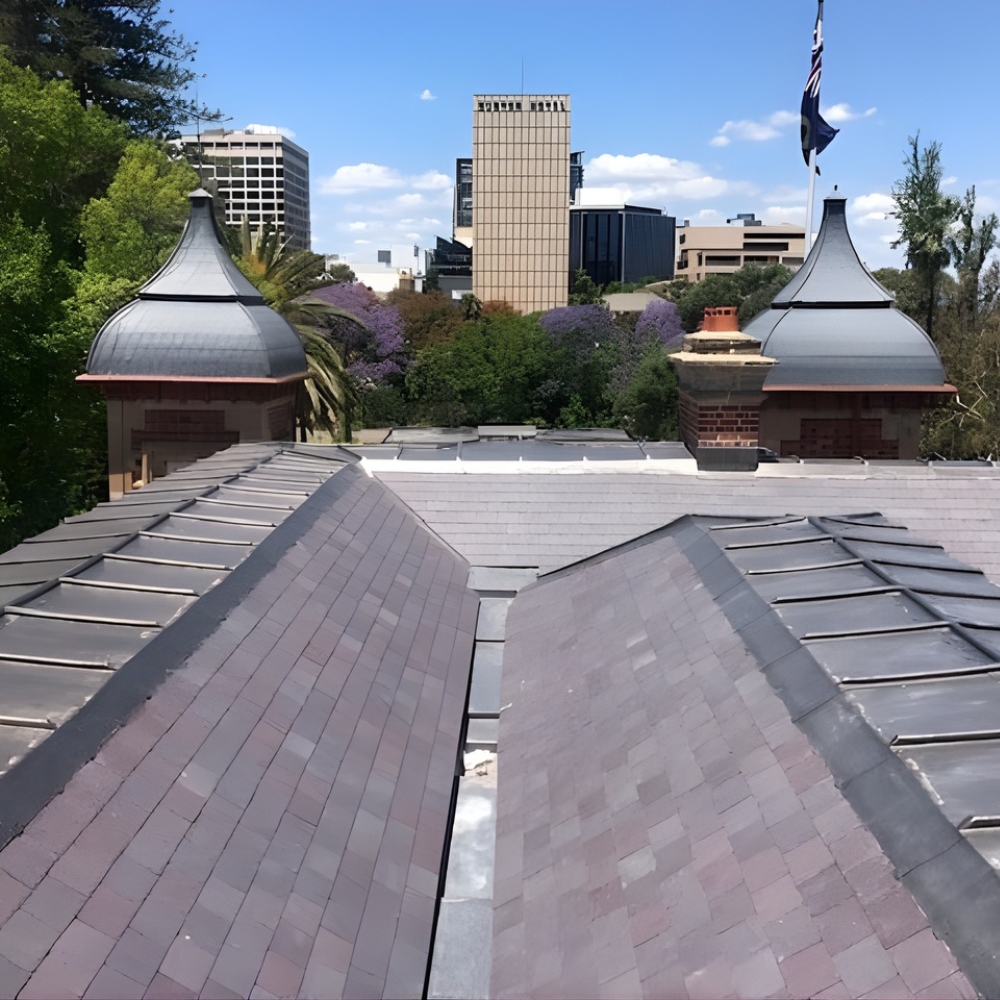
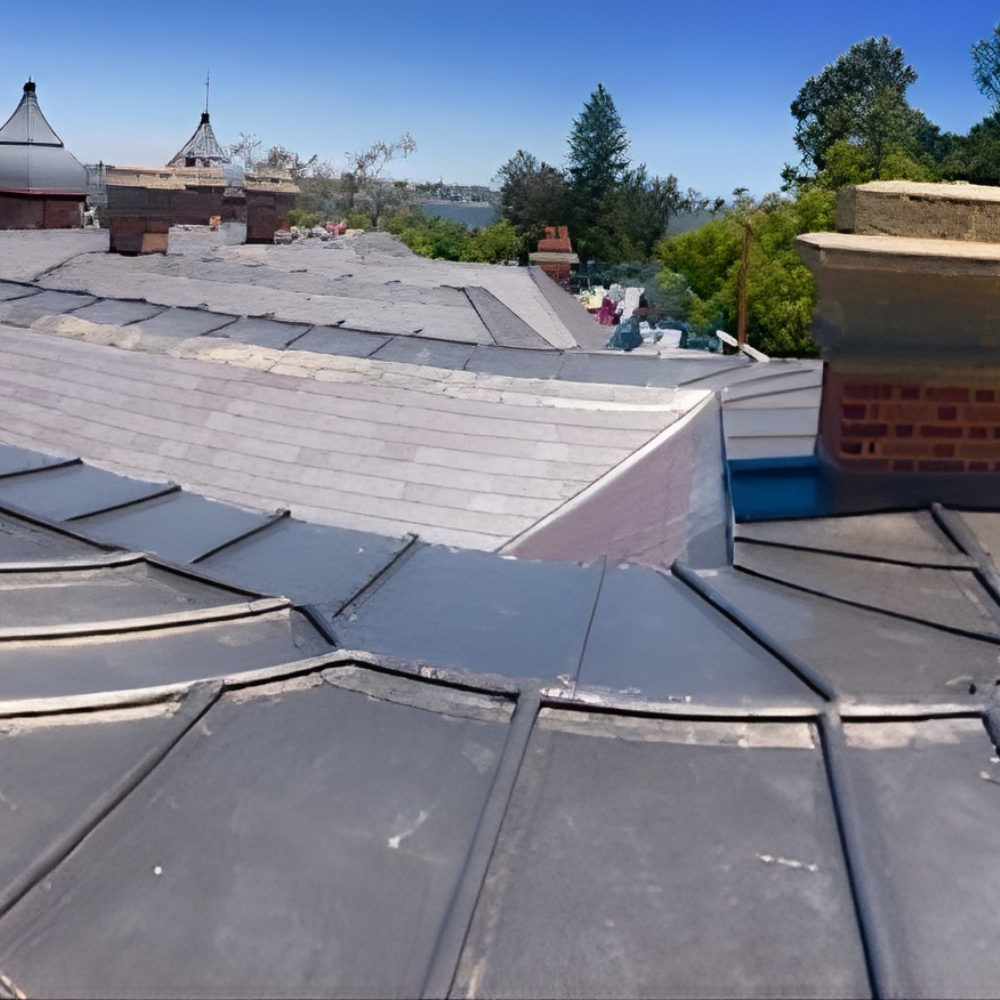
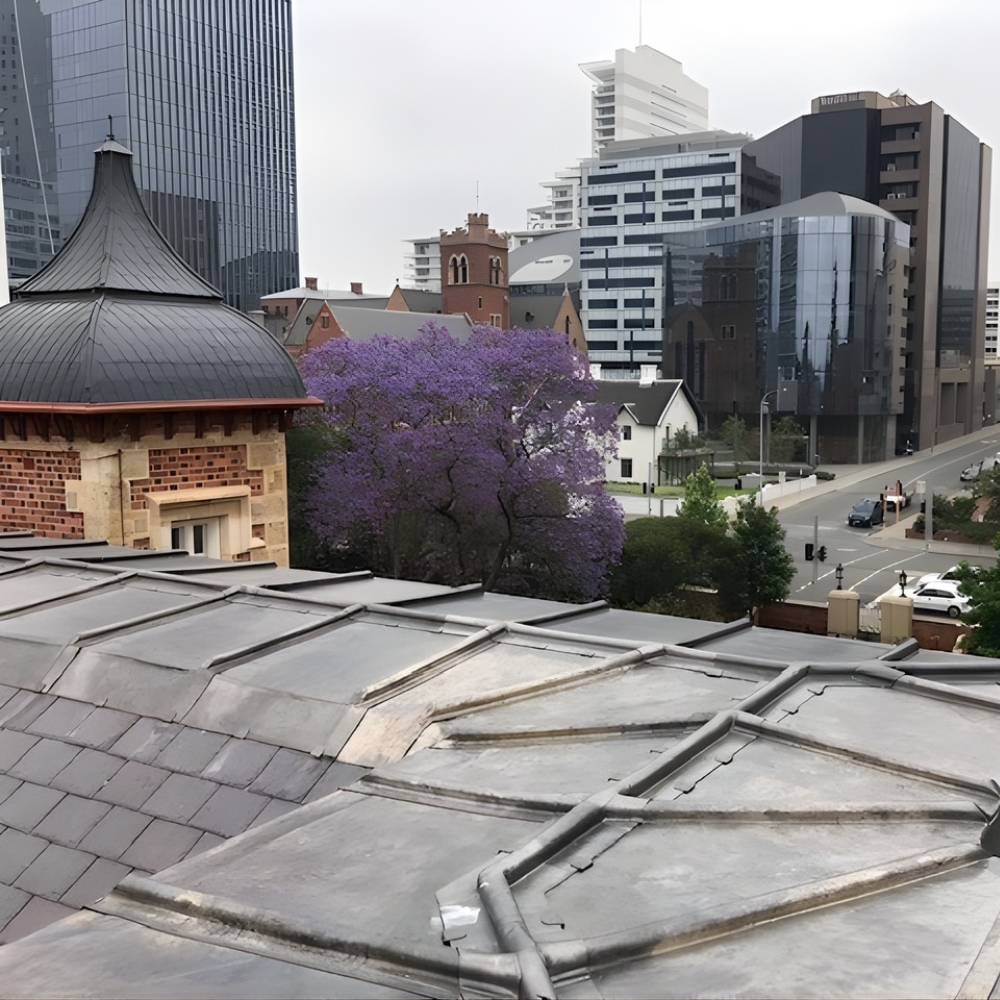
Lead is typically used for:
It is chosen because it forms to complex shapes reliably.
Lead is one of the longest-lasting roofing materials when installed correctly. It is often specified for heritage work because it can perform for decades with minimal intervention.
Lead is safe when used correctly in roofing applications. The key is:
We follow safe work practices when working with lead.
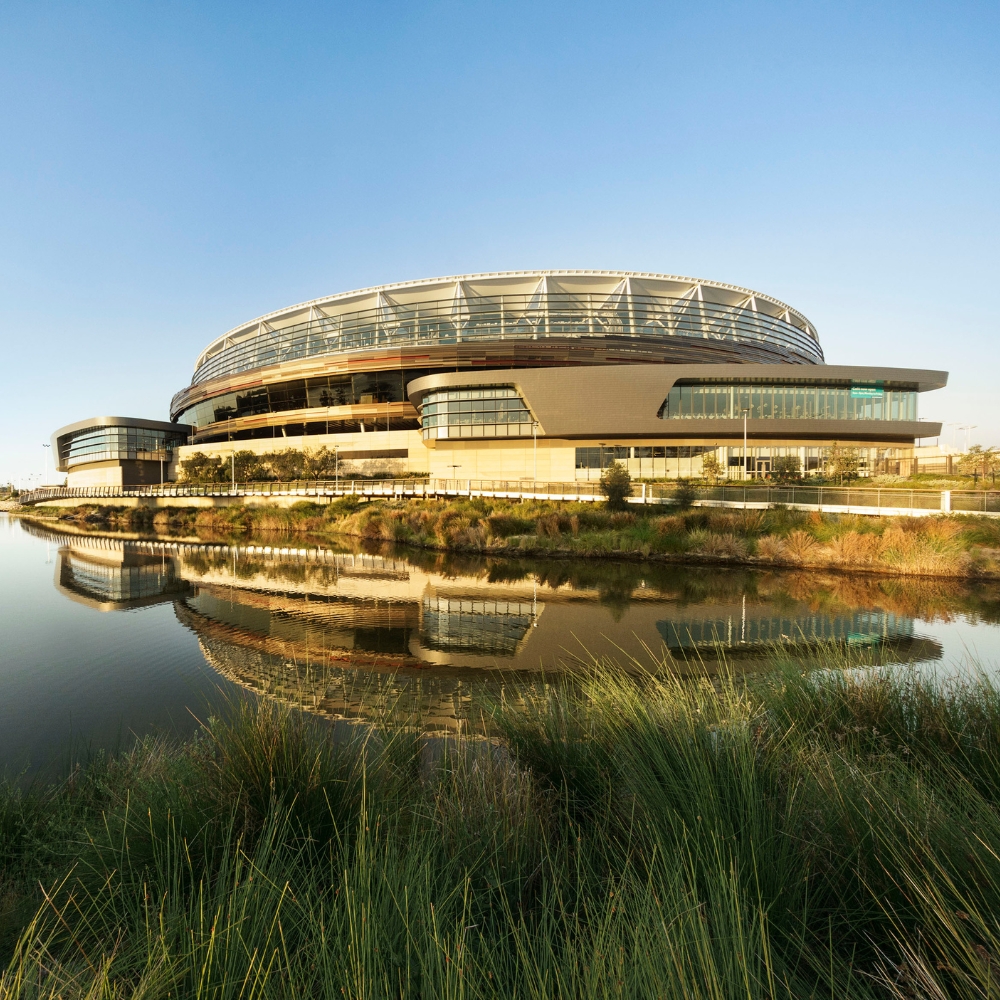
Zinc roofing is valued for its clean appearance and the way it sharpens rooflines on modern homes, architect-designed builds, and premium renovations. Its smooth surface and subtle tonal depth create a calm, high-end finish that suits both minimal and more detailed architecture.
Naturally corrosion-resistant, zinc develops a protective patina as it ages. This patina supports long-term performance and gives the roof a lived-in character over time, while helping the surface resist everyday environmental wear in Australian conditions, including coastal locations.
At Carter Roofing, zinc systems are installed with precise detailing and proven standing seam methods. The result is a clean, low-maintenance roof with strong junctions and consistent visual lines that will mature beautifully for decades.
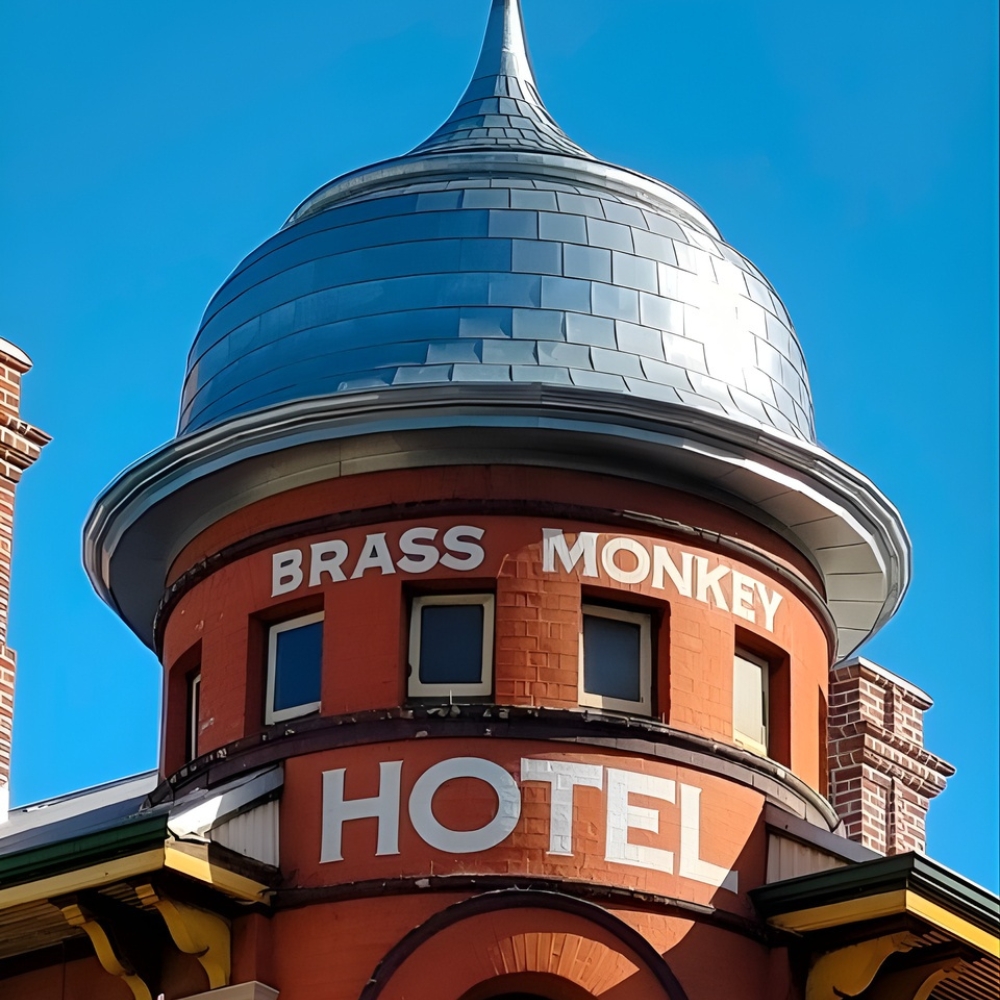
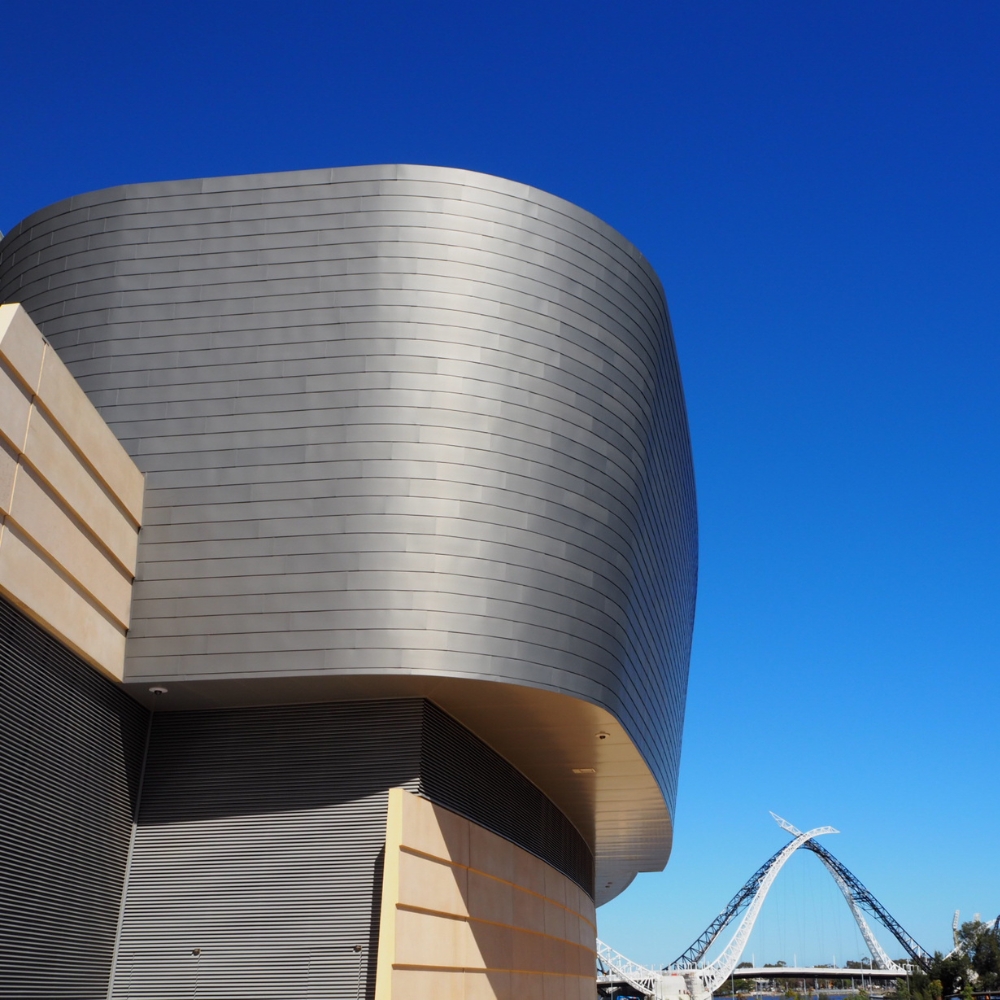
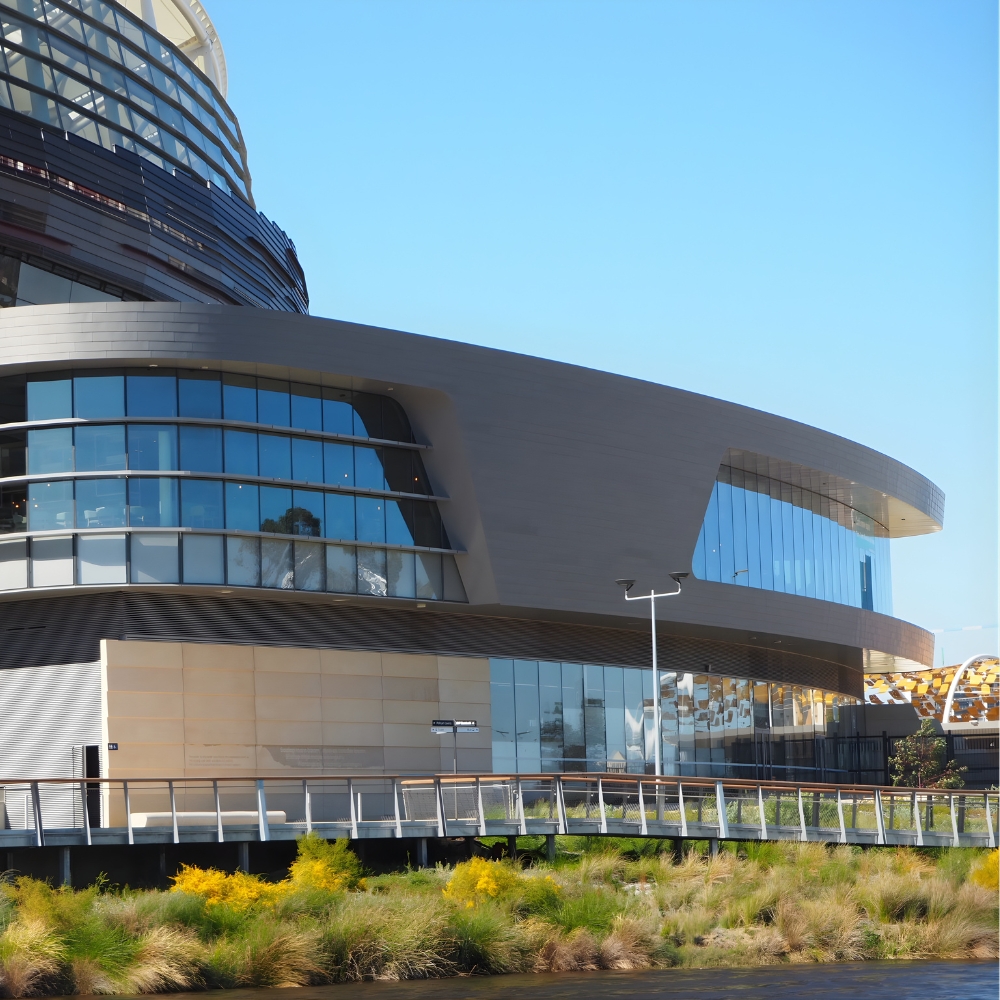
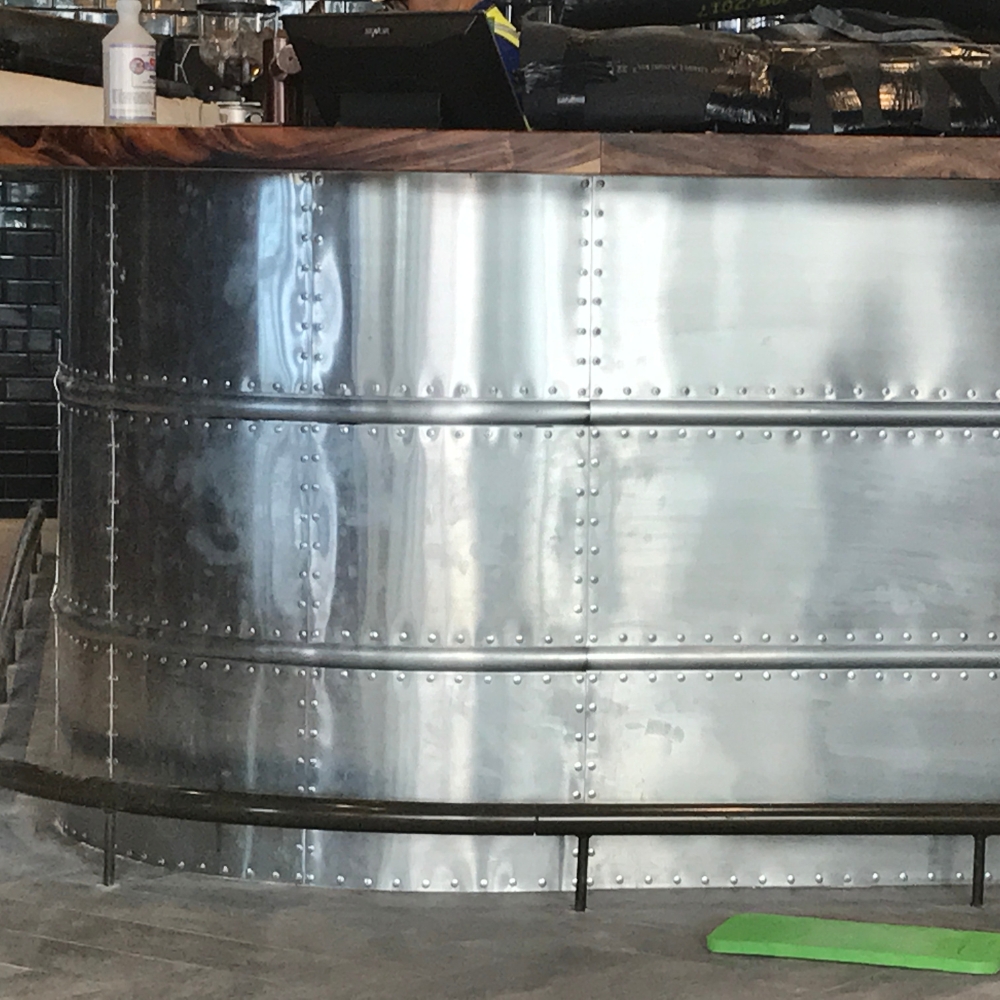
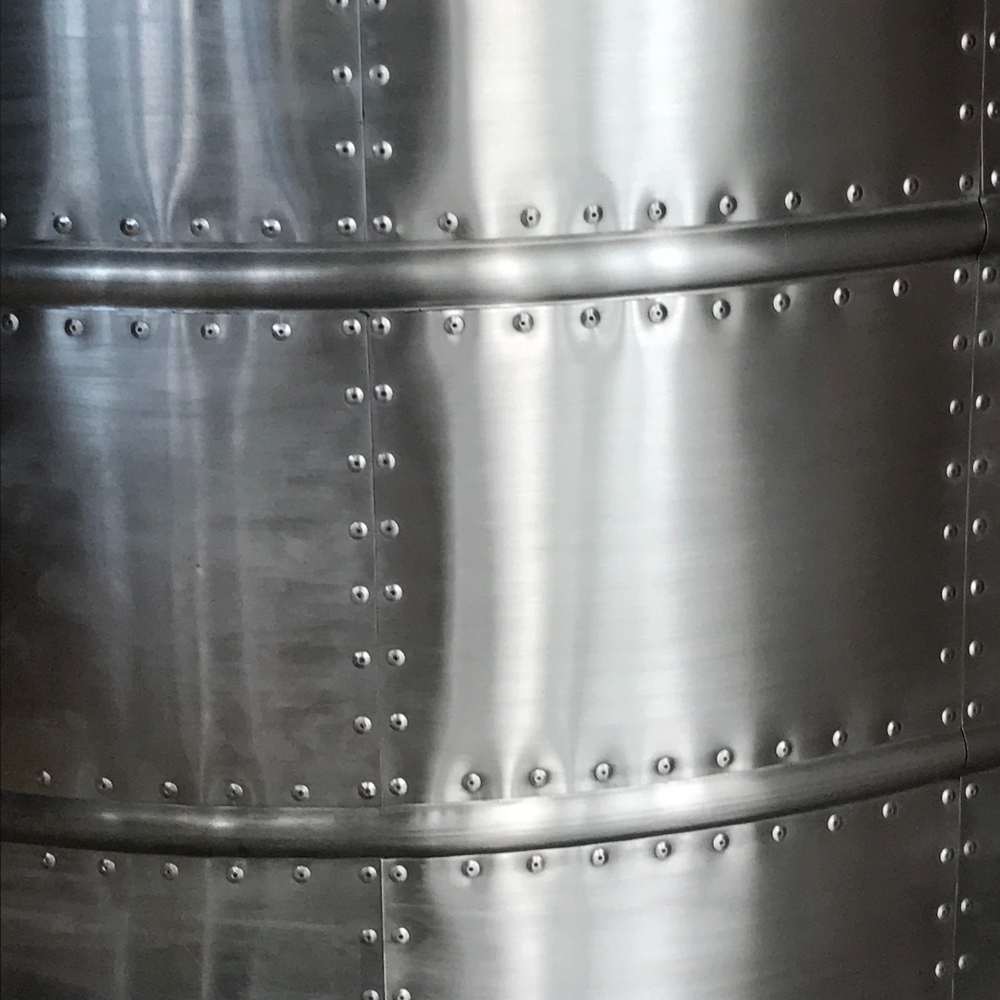
Zinc is valued for:
It suits both contemporary and heritage-adjacent design.
No. Zinc is not typically painted. It protects itself through patination.
Good practice is:
Yes. Zinc is commonly used for both:
We detail transitions so the roof and façade system works as one.
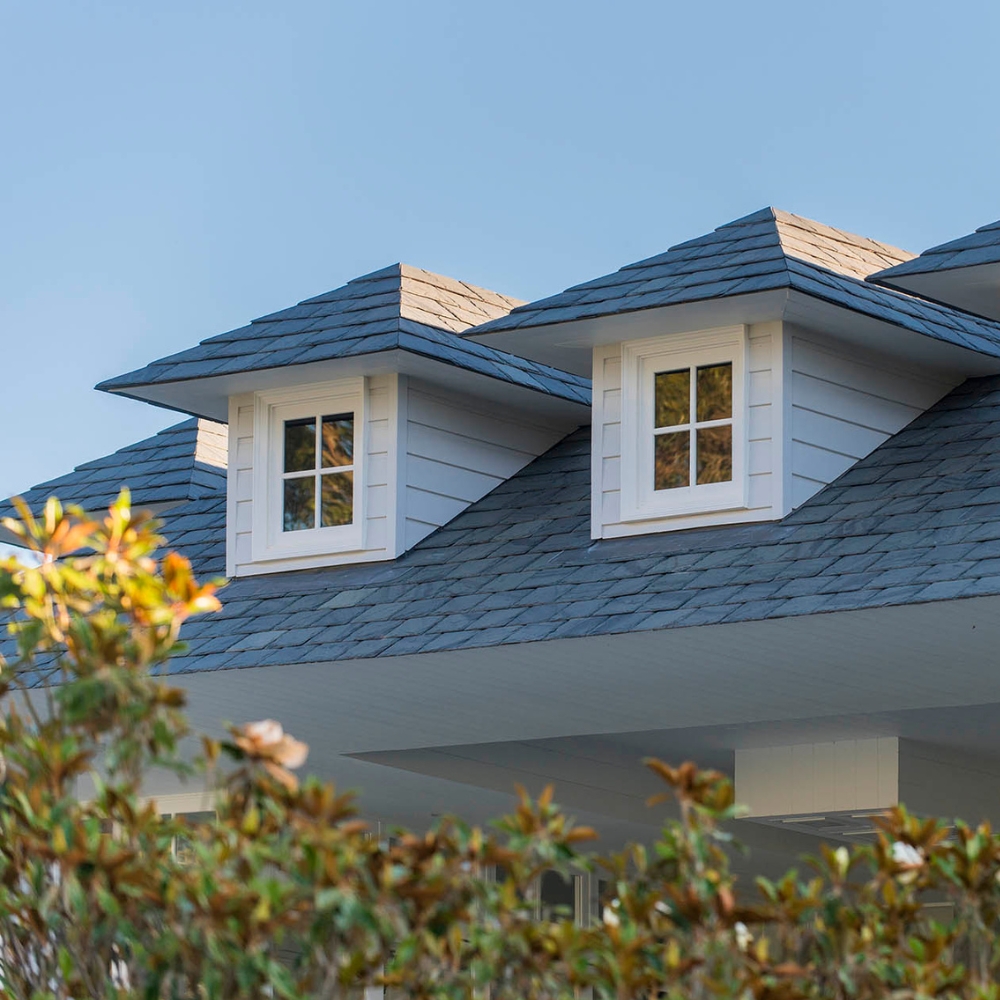
Slate roofing is prized for its natural beauty and the quiet detail it brings to a roofline. Each slate is split from fine-grain stone, creating subtle variations in tone and texture that give the roof depth without looking busy. It suits heritage homes, architect-designed builds, and bespoke residential projects where the finish needs to feel considered.
Naturally dense and stable, slate performs exceptionally well in Australian conditions. It resists UV exposure, moisture, wind, and temperature movement, while helping support consistent thermal comfort through the seasons. It is also non-combustible, making it a strong option where fire performance matters.
At Carter Roofing, slate is installed with meticulous craftsmanship and proven fixing methods. The result is a roof with clean lines, strong detailing, and a high-end look that will hold its character for decades.
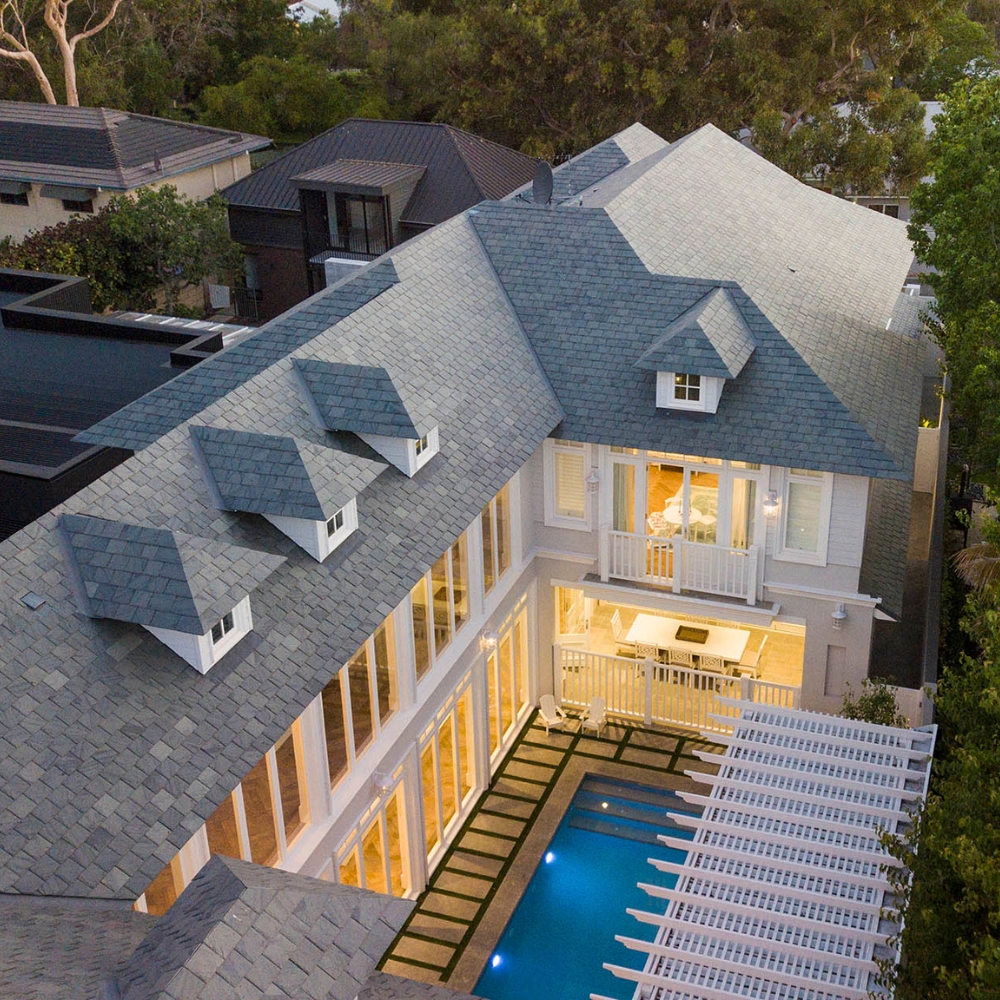
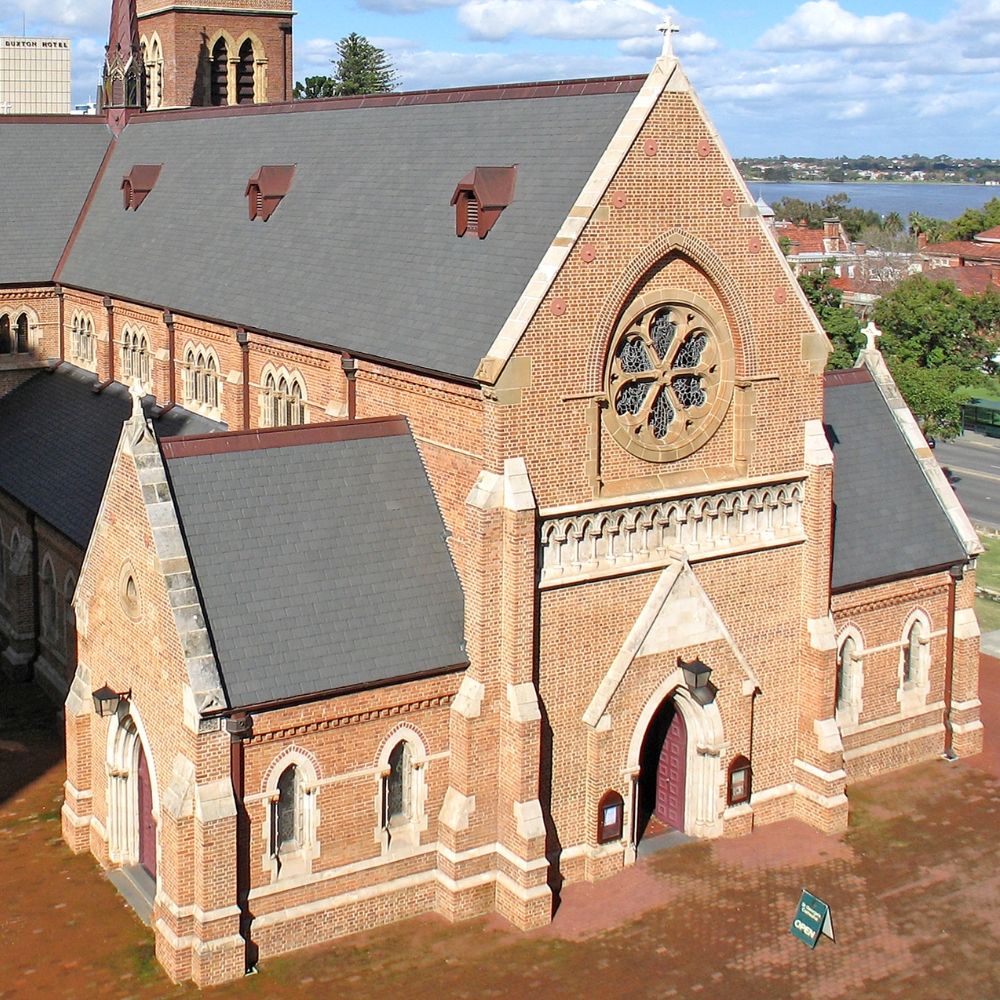
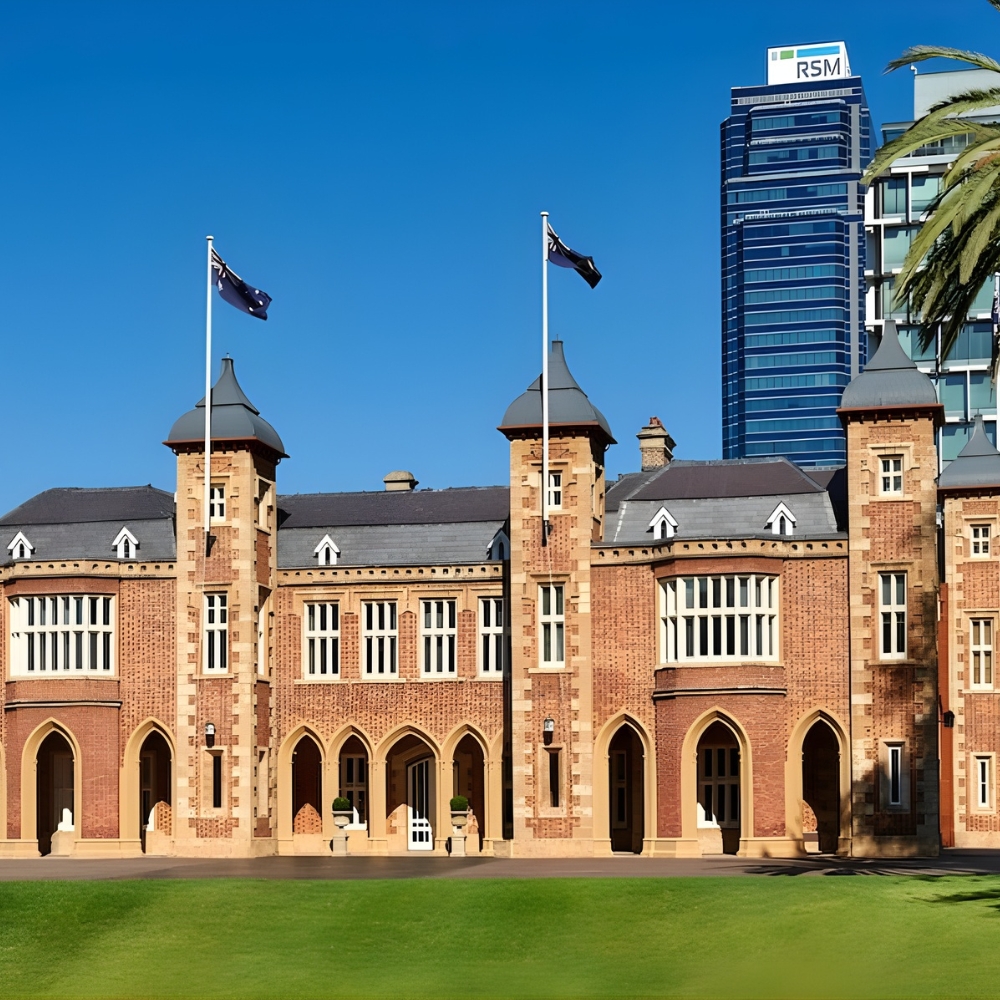
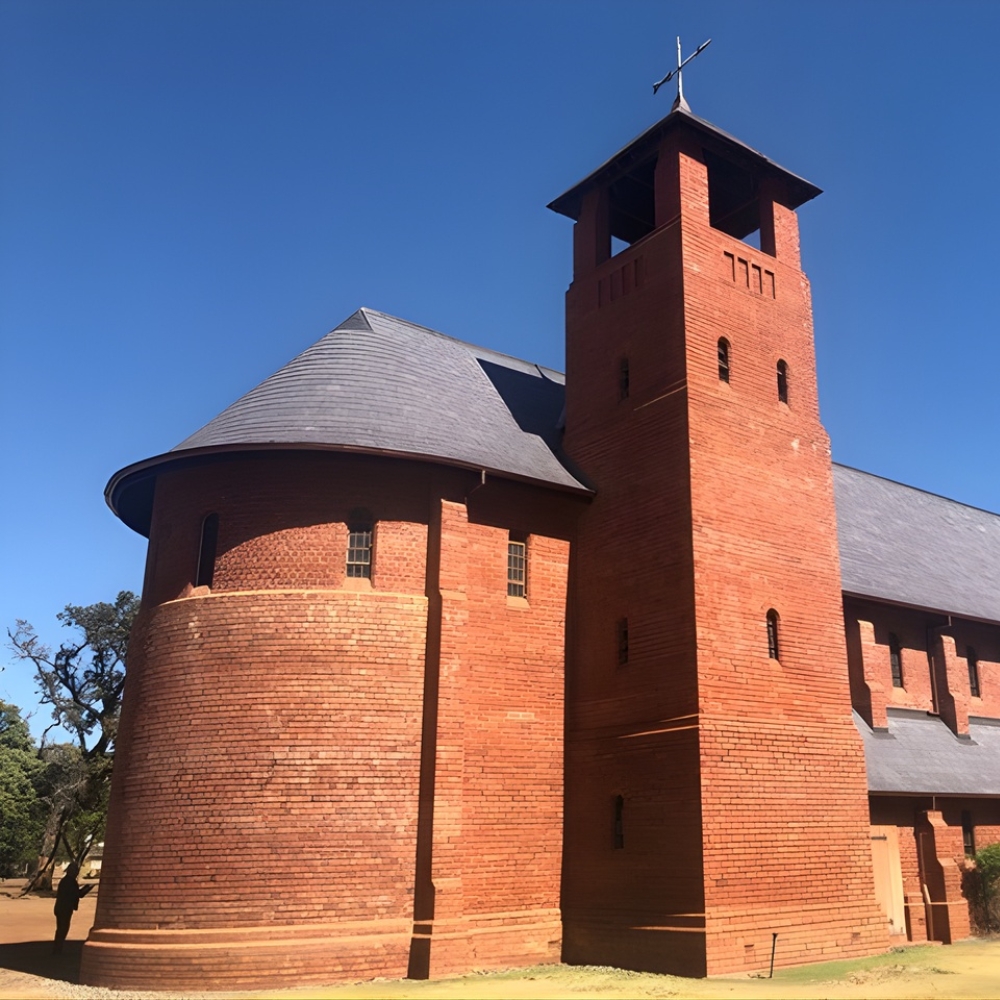
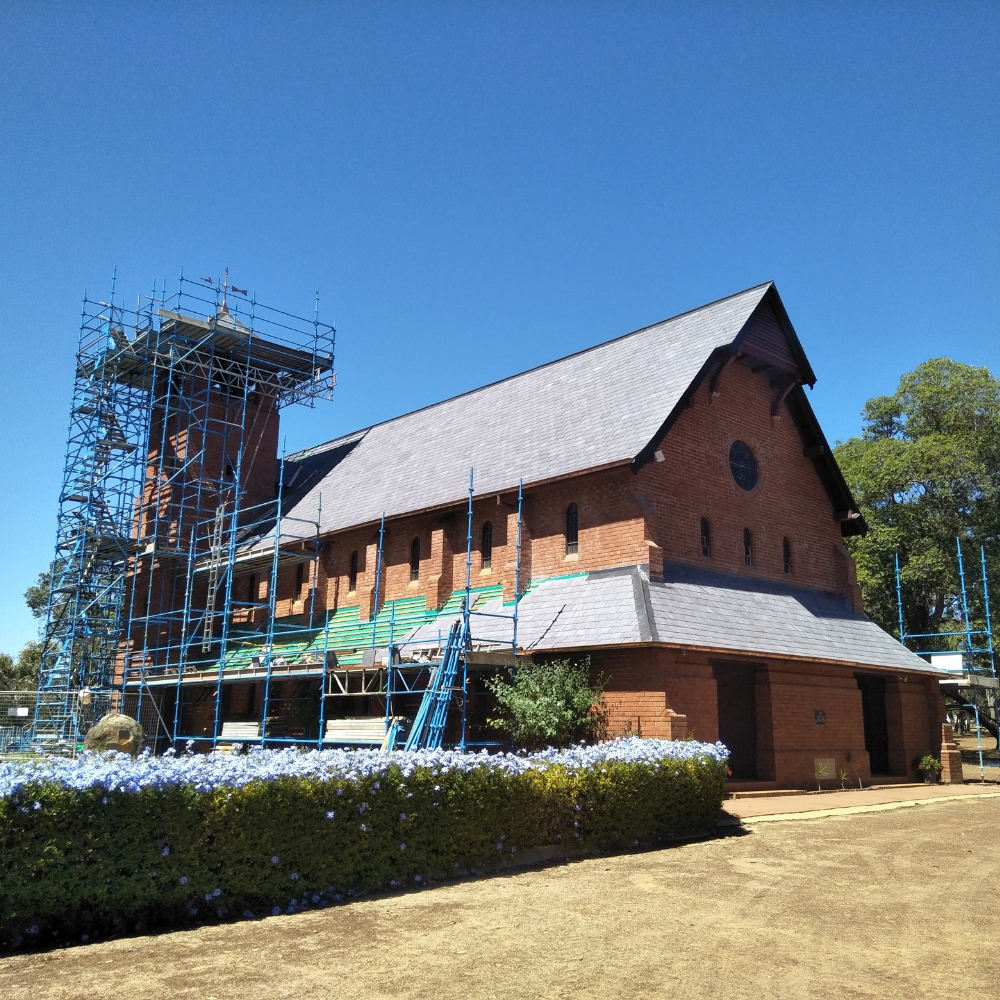
A natural slate roof can last 75 years or more when installed correctly.
Lifespan depends on:
Slate is often chosen because it can be a long-term, generational roof system.
Slate itself needs very little maintenance. Most attention is on the components around it:
A simple inspection schedule helps keep everything performing as intended.
Slate is heavier than metal roofing. If your home was built for tiles or slate, it is often suitable.
If you are changing from a lighter roof type, we will check structure and loading requirements before proceeding.
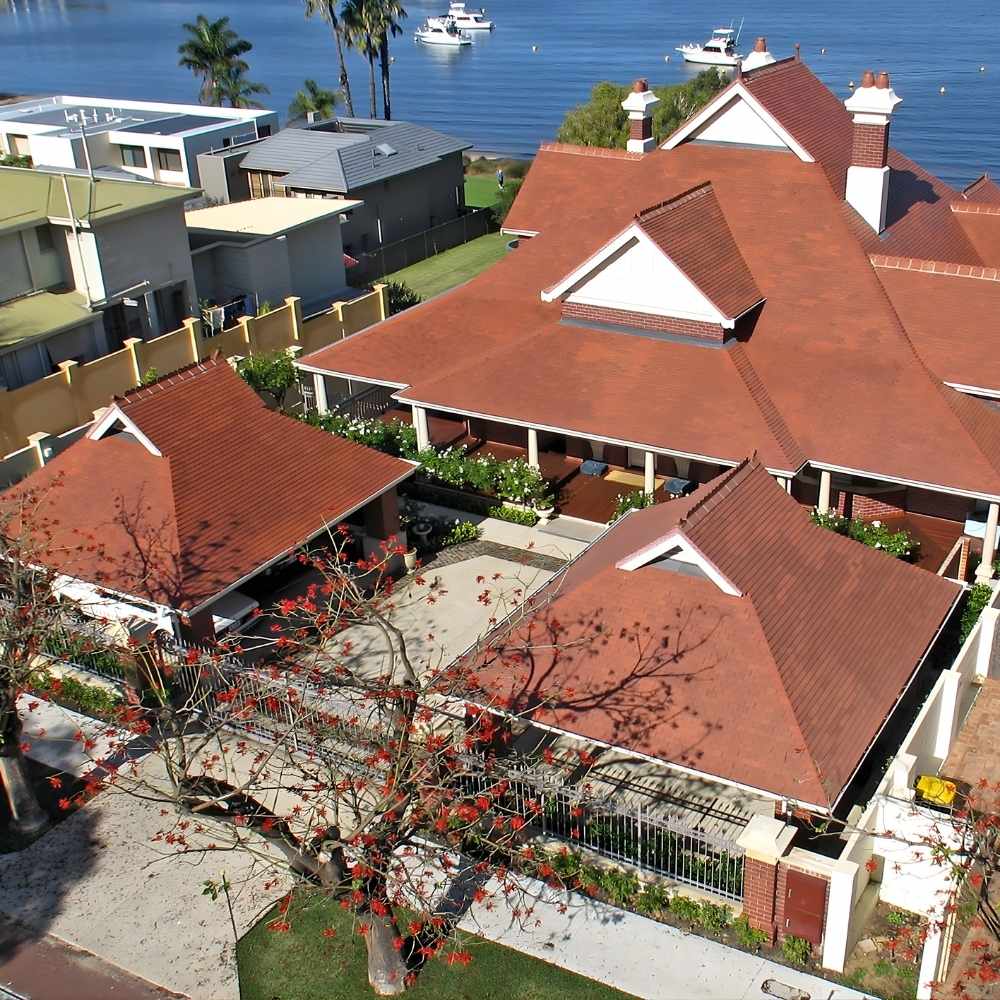
Plain tile roofing creates a clean, understated roofscape that works beautifully on both contemporary builds and traditional homes. Its simple, consistent profile produces sharp lines and a balanced finish, making it a versatile option where you want the roof to feel quiet, intentional, and well-resolved.
Built for Australian conditions, plain tiles offer strong UV stability and dependable weather resistance over decades. Tiles also support thermal comfort by helping moderate roofspace temperatures, which can improve year-round livability when paired with correct sarking and ventilation.
At Carter Roofing, plain tile systems are installed with precise setting-out, correct fixing, and careful detailing at ridges, hips, valleys, and transitions. The result is a secure, watertight roof that holds its shape, looks considered, and performs reliably over time.
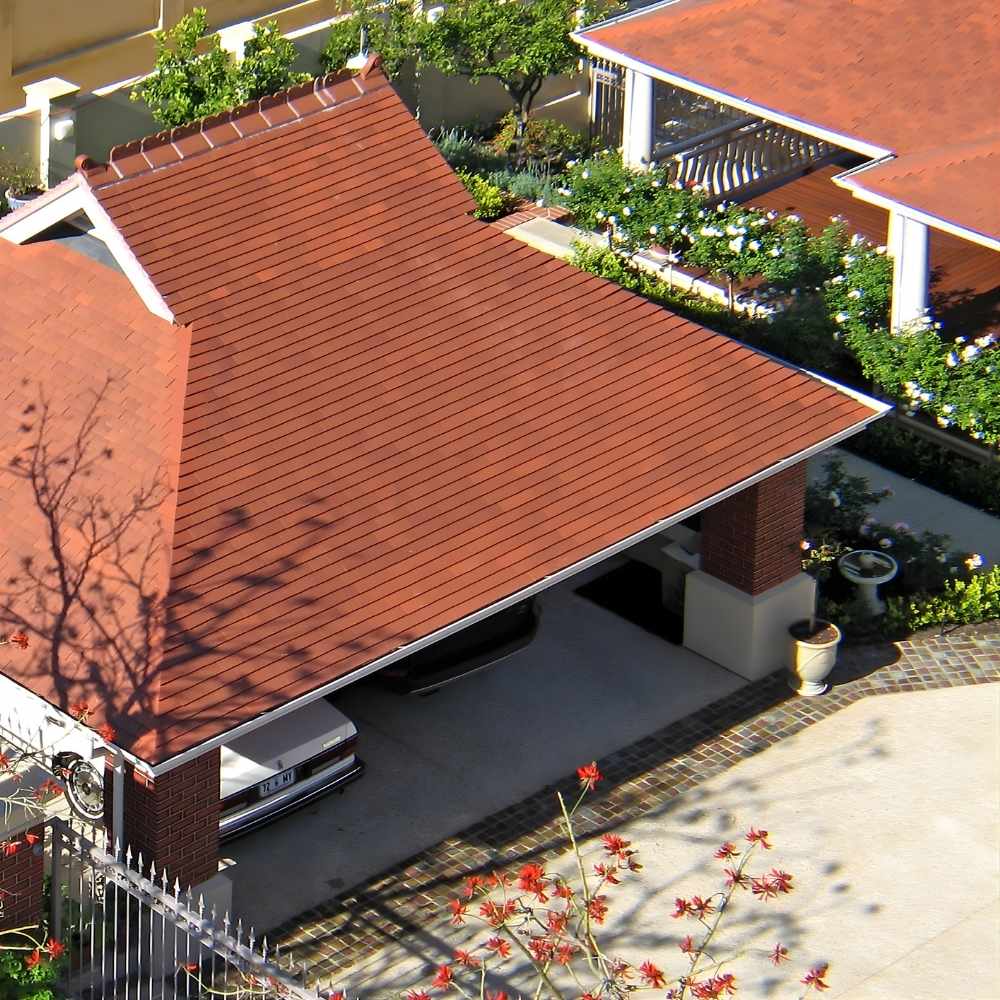
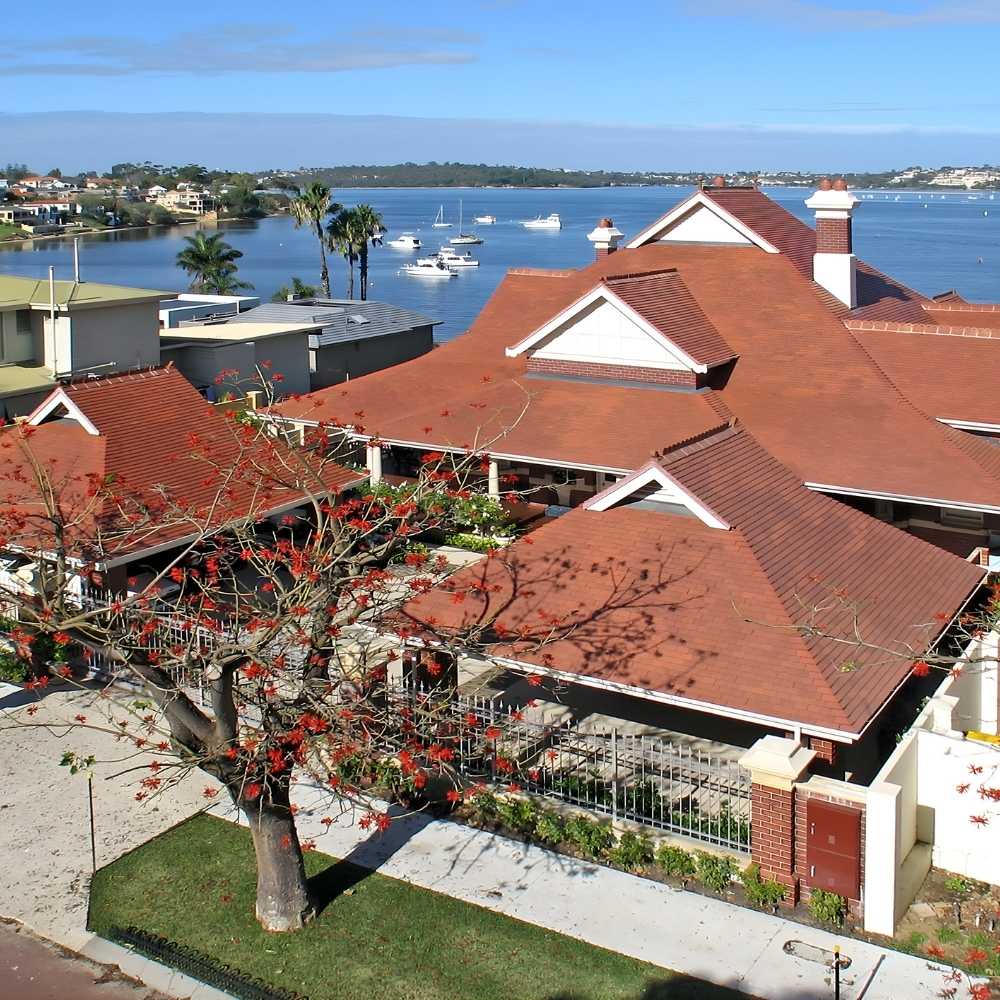
Plain tiles are small-format tiles laid in a tight overlapping pattern. They are common in:
They create a distinctive texture and period-correct finish.
Yes. Plain tile is frequently specified for heritage work where matching the original roof character matters.
We source suitable materials and install using the correct methods for the roof type and detailing.
Yes. Plain tiling is more labour-intensive and relies on accurate setting out and fixing.
Details like laps, alignment, ridges, hips, and junctions need a roofer experienced in traditional tile systems.
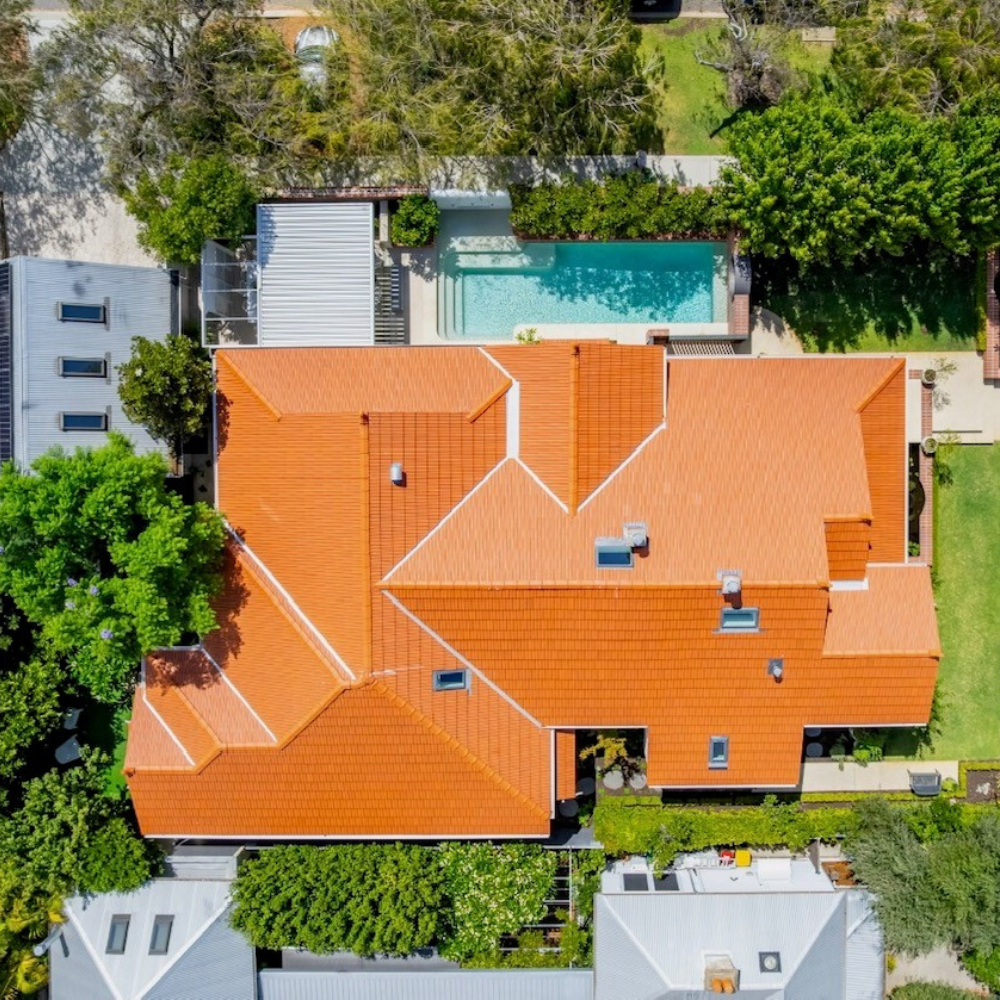
Tile roofing remains one of the most trusted roofing choices for residential architecture. With a wide range of profiles, finishes, and natural tones available, tiles suit everything from clean modern rooflines to traditional forms where character and proportion matter.
Designed for Australian conditions, tile roofs perform reliably through strong sun, wind, and seasonal weather. Their thermal mass supports more stable indoor temperatures year-round, helping improve comfort and energy efficiency when paired with correct sarking and ventilation.
At Carter Roofing, tile systems are installed with careful setting-out and precise detailing across ridges, hips, valleys, flashings, and junctions. The result is a secure, weather-resistant roof with a clean, balanced roofline that holds its shape and lasts for decades.
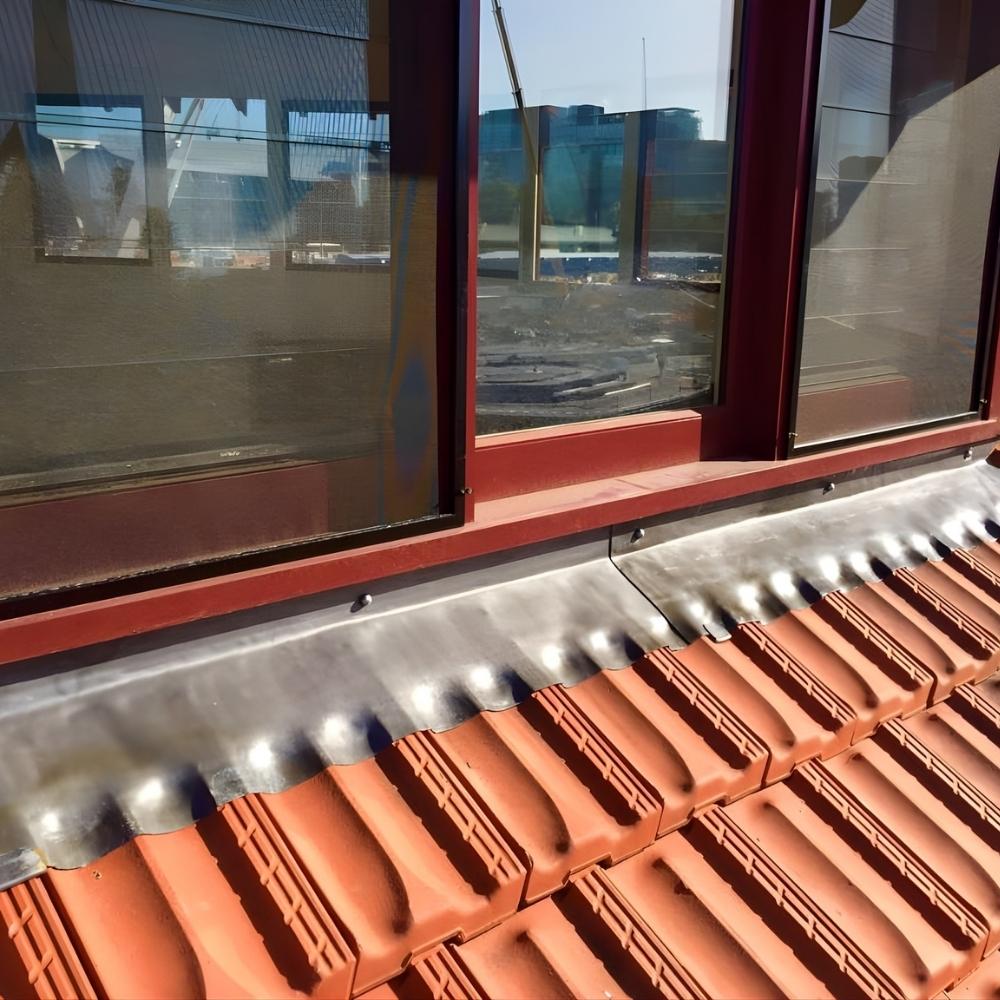
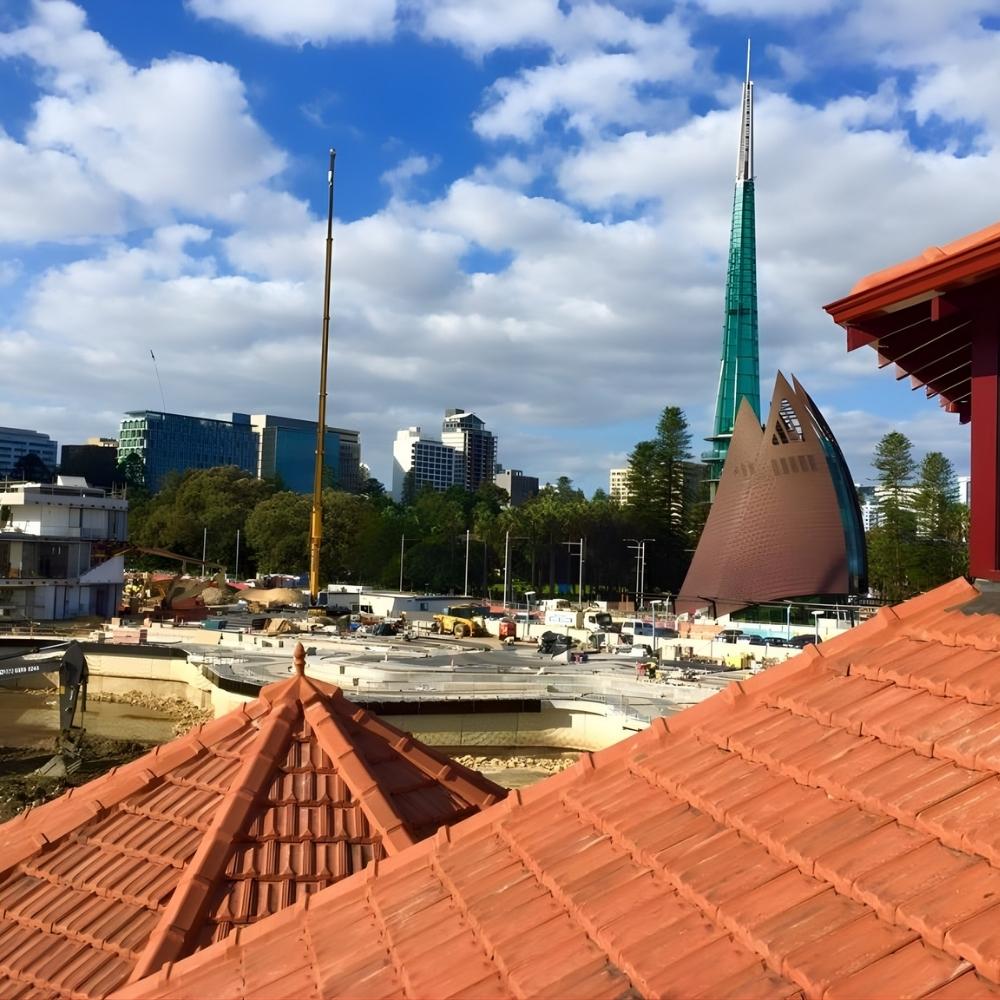
Quality tile roofs can last for decades. In many cases, tiles remain serviceable long-term, while these components need attention first:
Yes, but it is usually straightforward:
Regular checks help prevent small issues turning into internal damage.
Both can work well. The best option depends on:
We can advise based on your site and the performance you need.
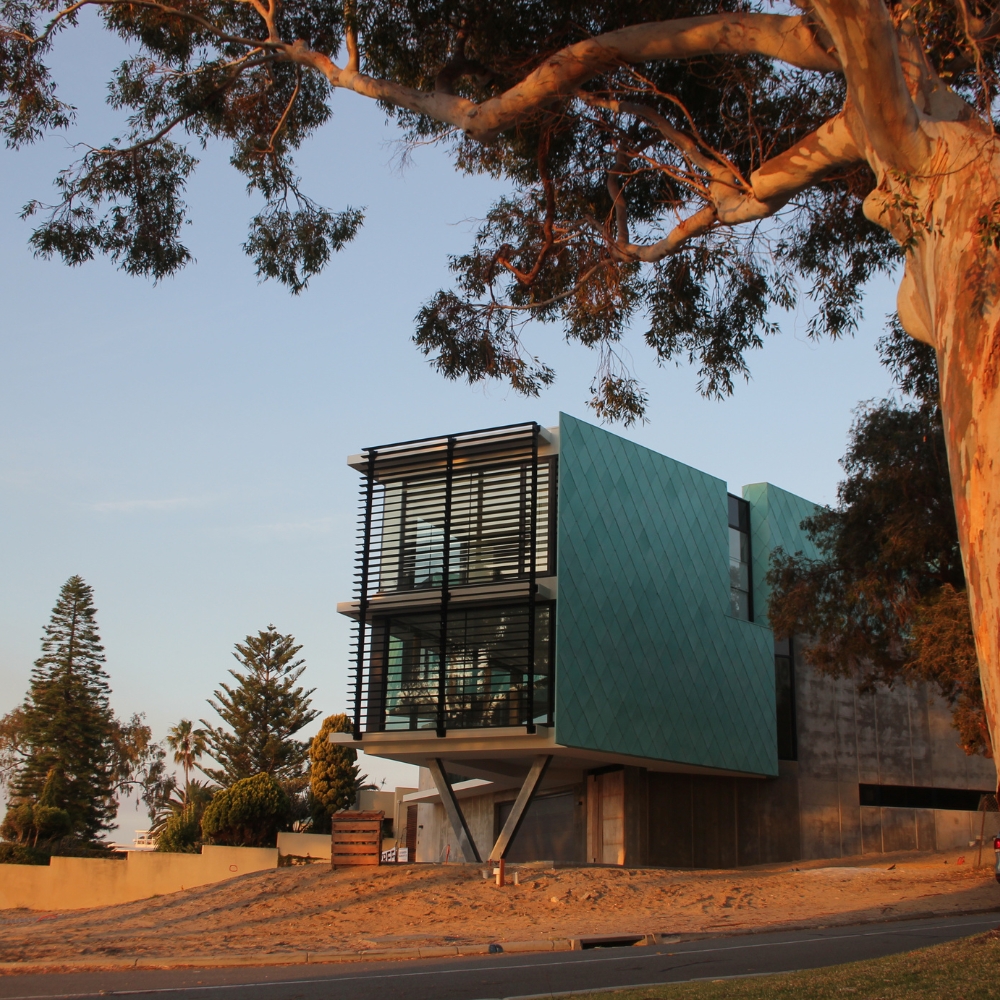
Copper is valued for its exceptional service life, clean workability, and distinctive natural patina. Over time, it develops rich tonal depth that adds warmth and character to both contemporary architecture and heritage buildings.
Highly workable and extremely durable, copper is ideal for complex roof forms, curved surfaces, and detailed cladding applications where clean junctions and sharp finishing matter. Its natural resistance to corrosion also makes it well suited to coastal and exposed environments across Western Australia.
At Carter Roofing, copper is installed with precise detailing and proven fixing methods to support long-term performance and a flawless architectural finish.
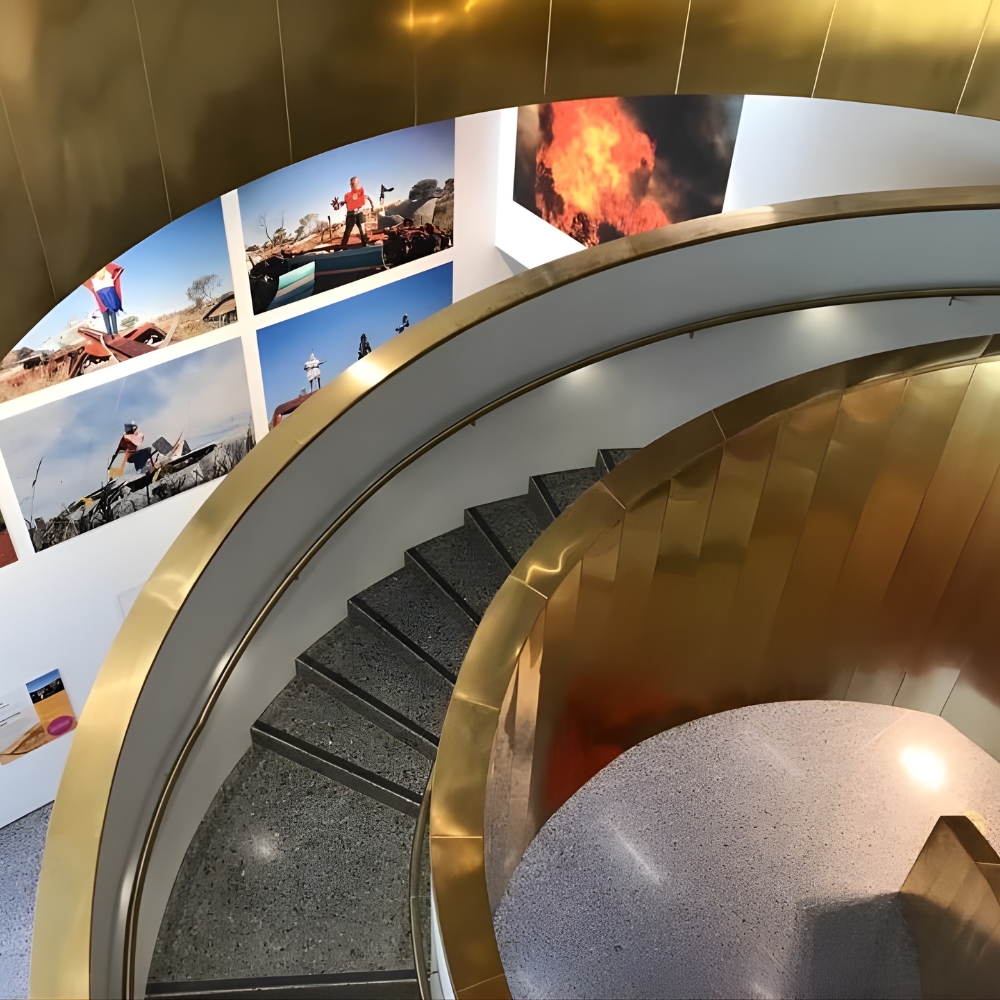
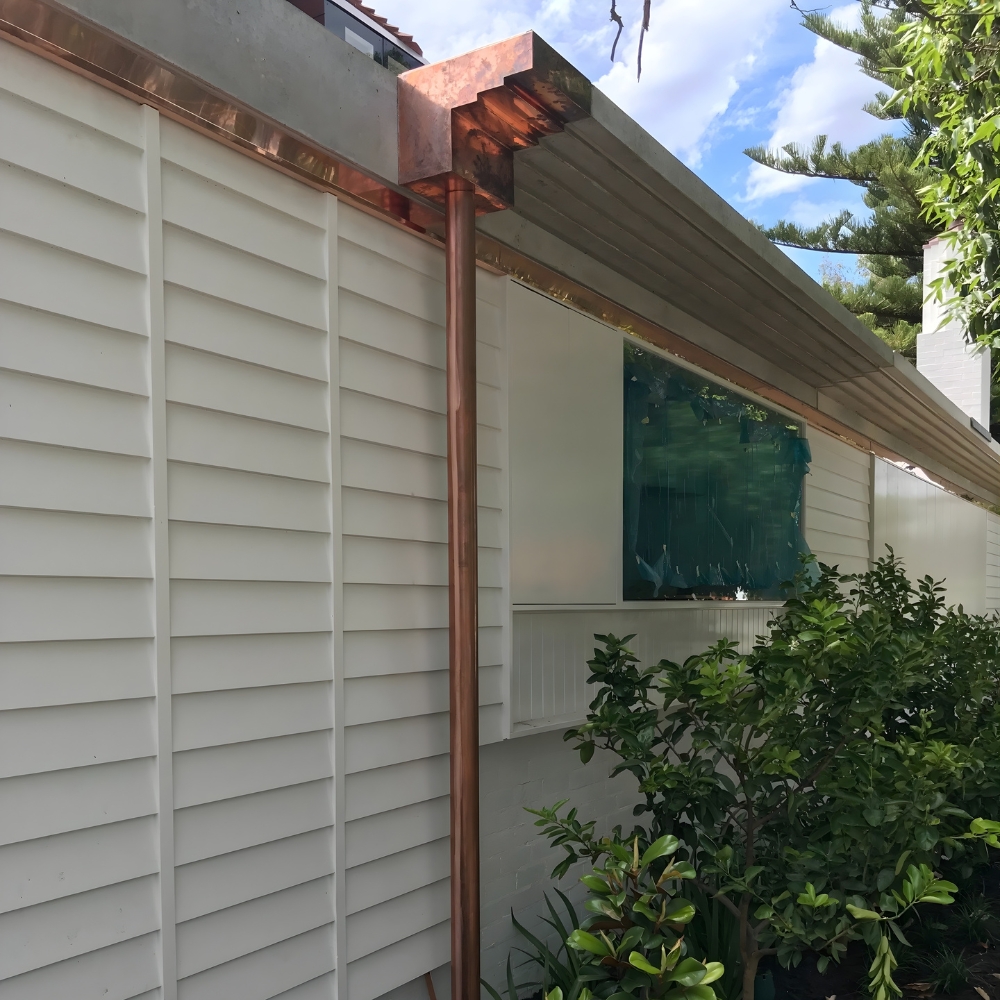
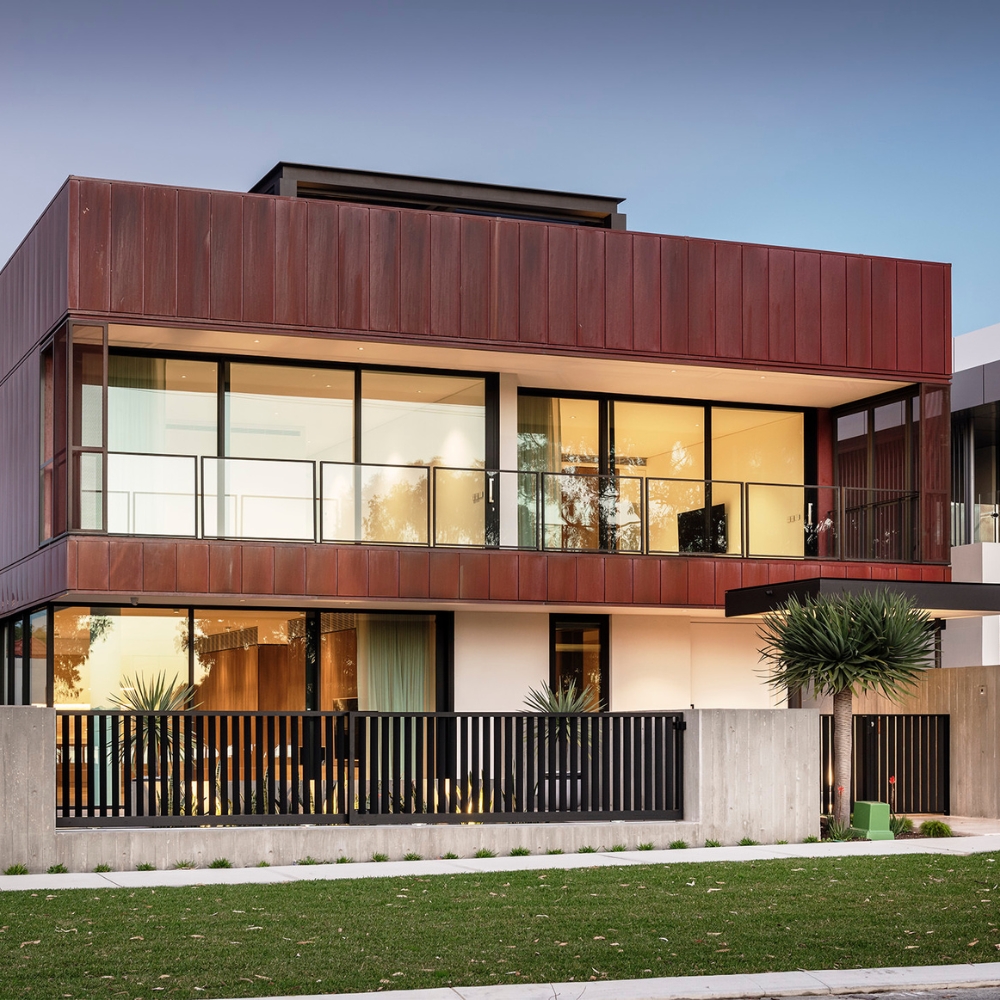
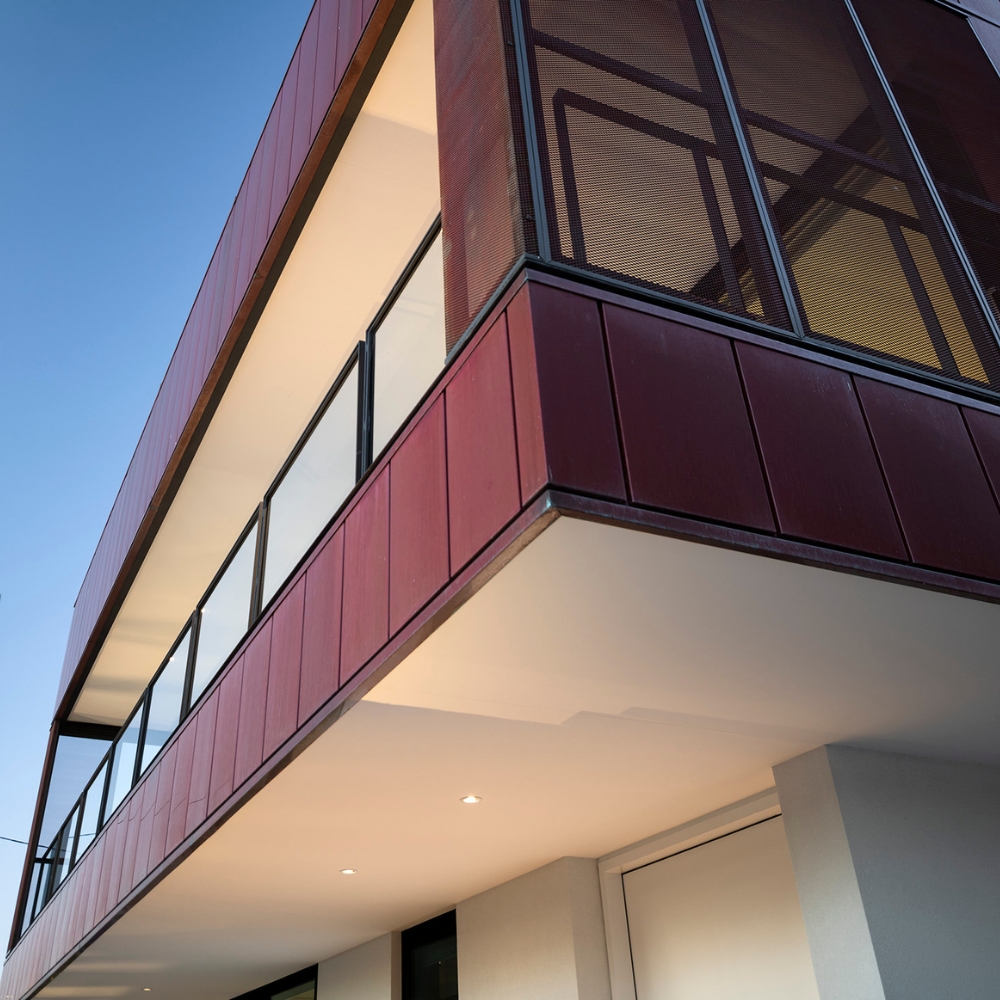
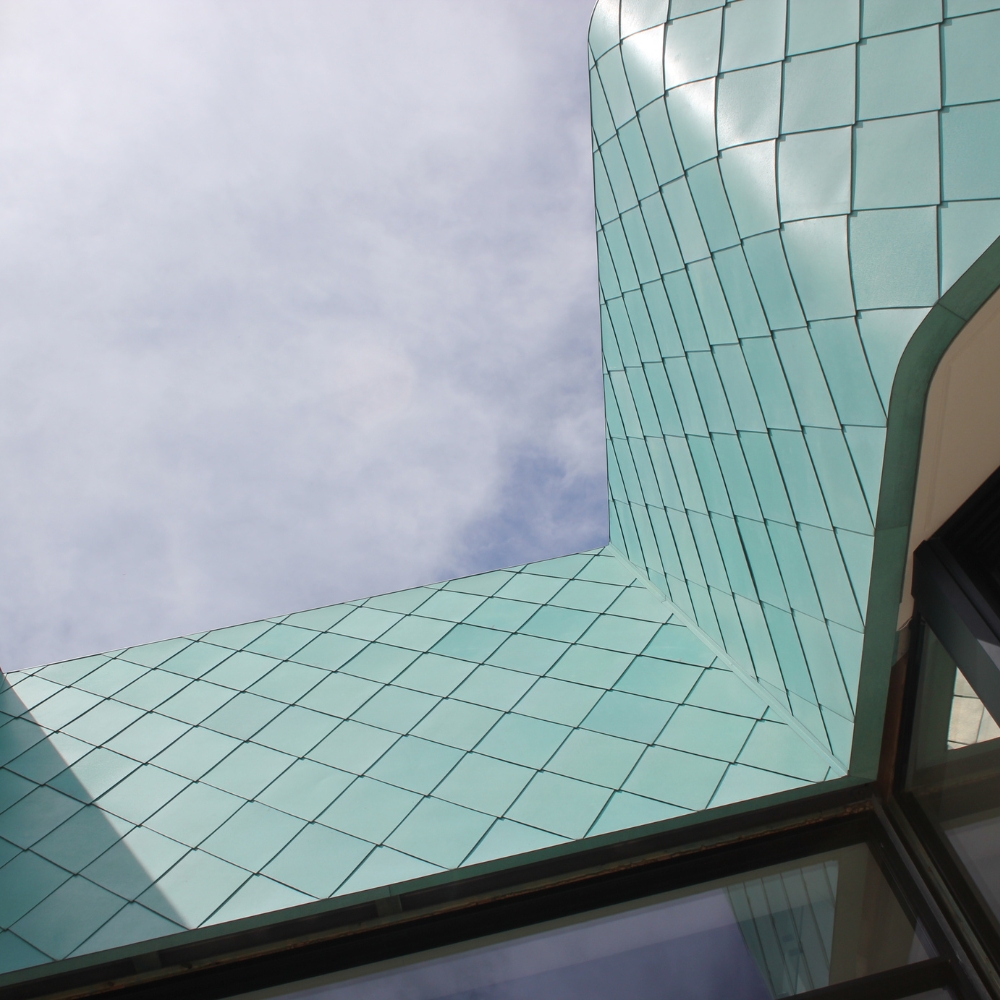
Copper is known for exceptional longevity. When installed correctly, it can perform for many decades, often longer than most other roofing materials.
Over time, copper develops a patina. The colour shift typically moves through stages:
This patina is part of what protects the metal.
Copper is not typically painted or coated. Maintenance is mainly about:





.svg)