
Metal Fabrication
Custom metal profiles and fabricated roofing components, produced from our Wangara warehouse to your exact specifications.
Request a QuoteCustom metal profiles and fabricated roofing components, produced from our Wangara warehouse to your exact specifications.
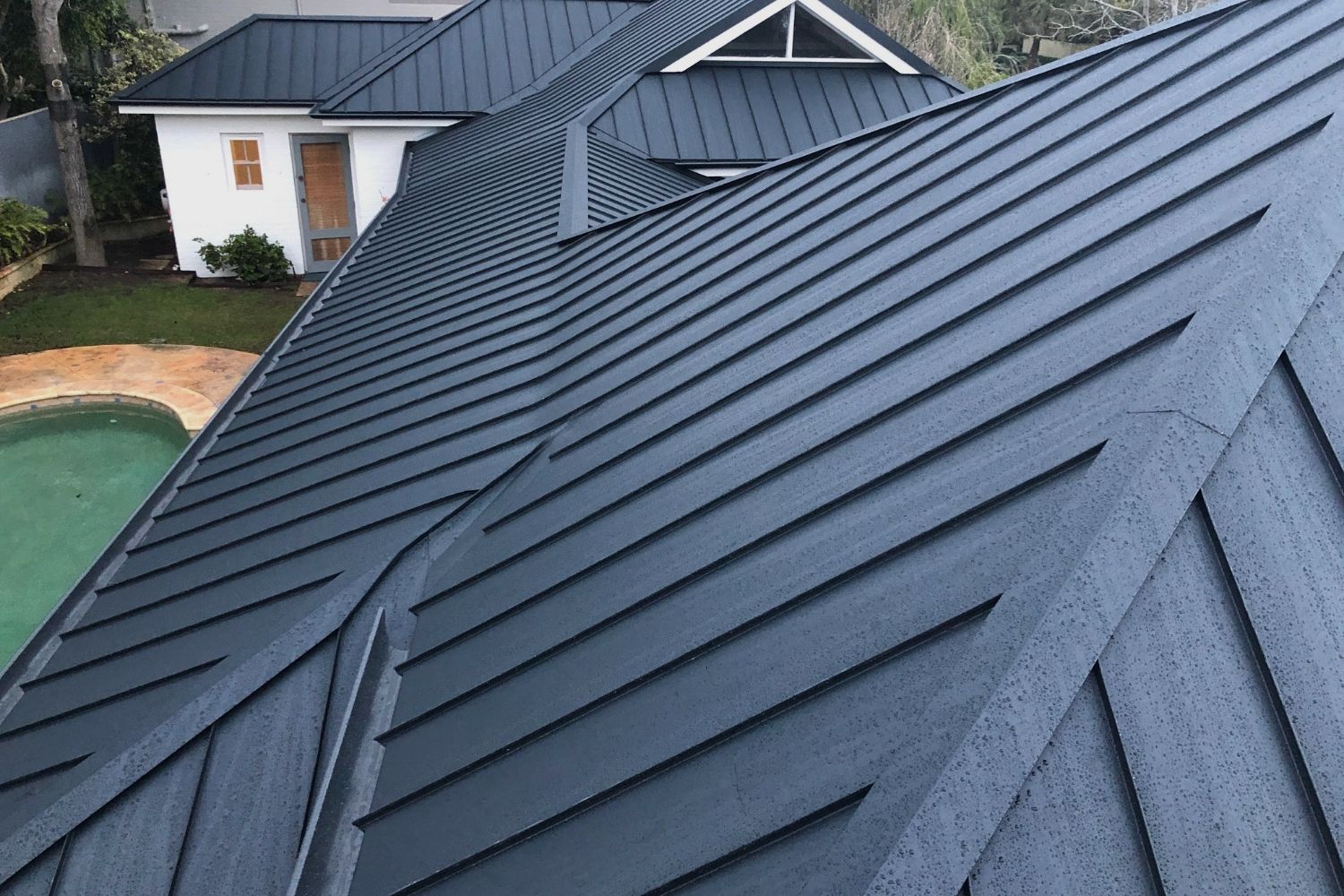
Request a QuoteOur metal fabrication service produces flat sheets, flashings, gutters, rain heads, angles, and architectural panels including nail strip, standing seam, and Snaplock profiles. Everything is manufactured from our warehouse in Wangara, supplying components across roofing, cladding, and custom applications throughout WA.
Because fabrication is handled in-house, we can accommodate custom requests and adjust profiles to suit specific project requirements and machinery tolerances. That flexibility means we can take on briefs that standard suppliers typically can't, from bespoke architectural metalwork through to one-off components for commercial and residential projects.
We deliver:
We offer various architectural metal options. We focus on accuracy, consistency, and profile integrity in every project. The final result integrates cleanly into the wider roof or façade system, supporting both performance and appearance.
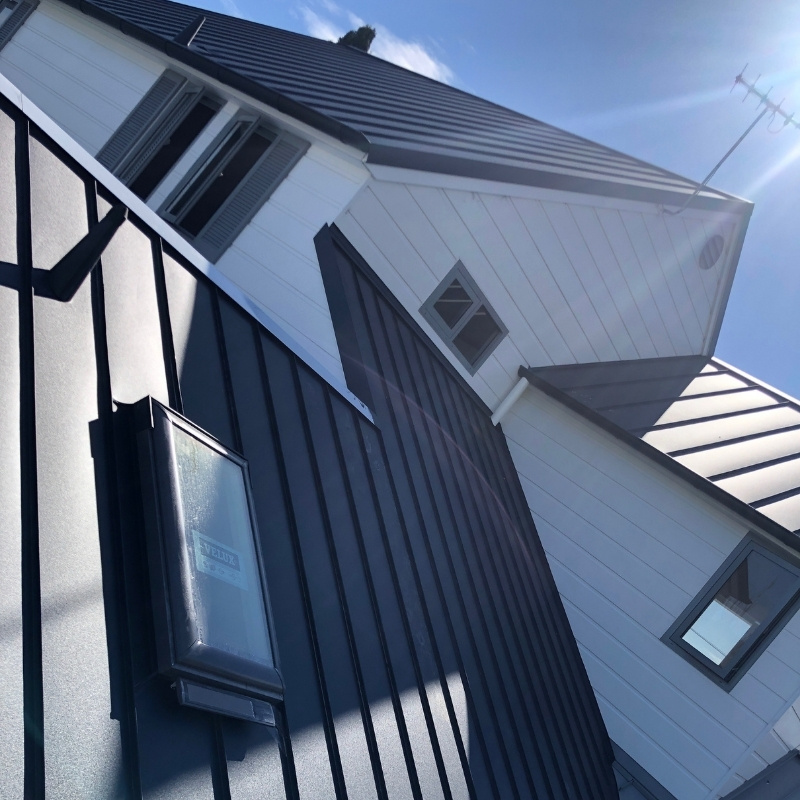

On-site roll-forming is when metal roofing panels are manufactured at your property, not off-site in a factory.
We bring a portable roll-forming machine to site and feed metal coil through it to create panels that are:
This allows for tighter control and cleaner outcomes, especially on architectural builds.
On-site roll-forming offers practical advantages on many projects, including:
It is a method built around accuracy and efficiency.
No. While it is excellent for large-scale roofing, it can also suit residential projects.
It comes down to:
If on-site forming is the better option for your build, we’ll recommend it regardless of project size.
On-site metal fabrication is commonly used for long-run metal roofing and cladding profiles, including concealed-fix systems used on architectural builds.
Profile availability depends on:
If your design has a nominated profile, we can confirm suitability during quoting.
Yes. One of the biggest benefits is the ability to form panels that run in one continuous length.
This is particularly useful when:
It also improves alignment and consistency over long distances.
It can be. Low-pitch roofs often require greater attention to detail because water drainage is slower and junctions must be managed carefully.
On-site formed panels can help by:
Final performance still depends on correct design and installation.
There are very few. Most limitations are logistical, not technical.
On-site metal fabrication may not be suitable if:
If on-site forming is not ideal, we will recommend an alternative approach.
It can, especially on medium to large projects.
Potential savings may come from:
For smaller projects, the main benefit is often quality and precision rather than cost.
On-site metal fabrication is typically used with metals supplied in coil form.
Common materials include:
Material suitability depends on thickness, system requirements, and final specification.
For material comparisons, visit Products.
Panels can be fabricated in very long continuous lengths, depending on site space and handling requirements.
Longer panels are useful for:
We confirm practical panel lengths during planning so installation remains safe and controlled.





.svg)