
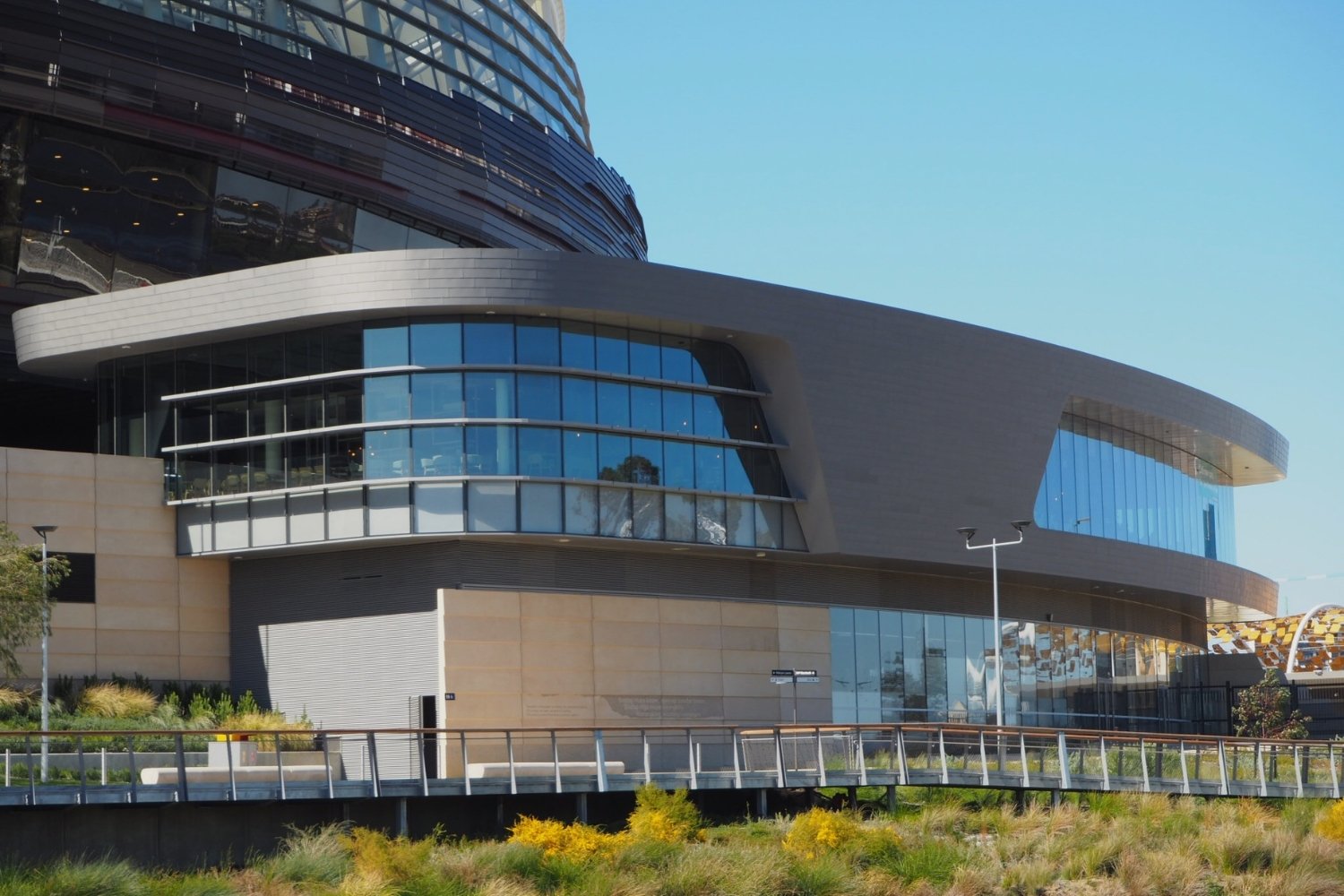
Cladding

Architectural cladding solutions that define form, protect structure, and elevate the overall design.

Request a Quote
Cladding shapes the look of a building while delivering long-term protection and performance. With precise detailing and clean installation, it creates a refined finish that holds its line over time.

Cladding Designed to Perform

Our cladding work is driven by accuracy, material control, and correct junction detailing. We focus on the areas that matter most, including transitions, edges, penetrations, and interfaces with roofing, glazing, and structure.

We focus on the details that define the final result:
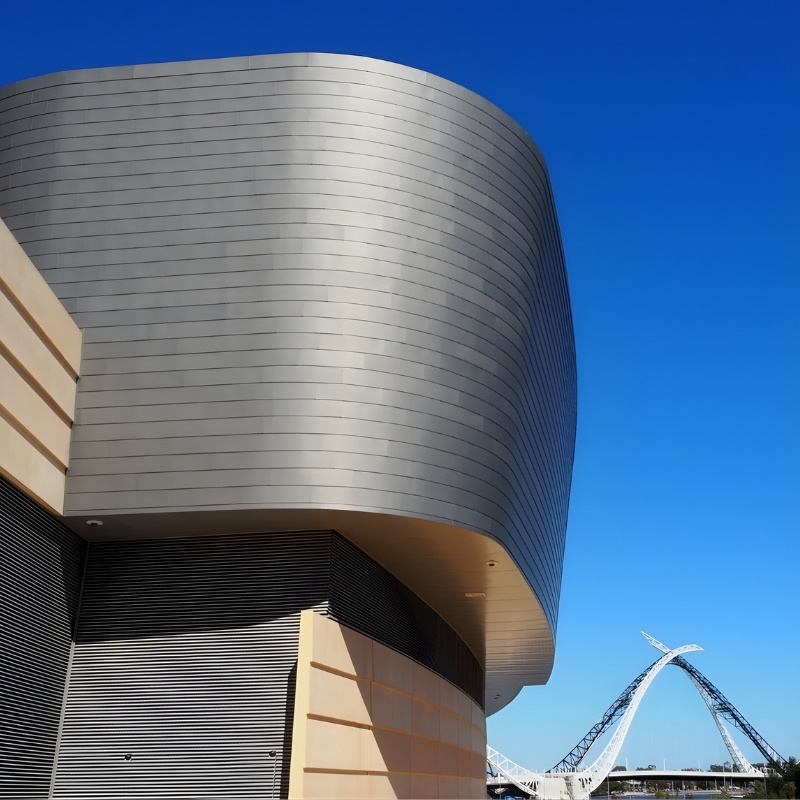
  • Cleaner architectural lines and sharper visual definition
  • Stronger junctions through correct flashing and transition detailing
  • More consistent performance across exposed elevations
  • A finish that remains stable, clean, and low-maintenance over time
You ask. We Answer.

Frequently Asked Questions

Does cladding require maintenance?

Yes, like any external finish. Even the best cladding benefits from periodic care.

Basic maintenance includes:

  • checking junctions and seal points
  • clearing debris build-up in drainage paths
  • washing down where needed, especially in coastal areas

For ongoing care, planned inspection can be handled through Maintenance.

What is architectural cladding?

Architectural cladding is the external metal skin installed to walls and façades. It is often used to create clean lines, crisp edges, and a refined finish that complements the building design.

Cladding is commonly selected for:

  • sharp architectural detailing
  • long-term durability
  • consistent lines and junctions
  • modern residential and commercial builds
Can cladding be used on residential and commercial projects?

Yes, cladding is used across both residential and commercial buildings, especially where the design demands a sharper finish and higher level of detail control.

It is commonly used for:

  • high-end homes
  • apartment and multi-residential projects
  • commercial buildings
  • entry statements and feature walls

To see real examples, visit Projects.

What materials can you use for cladding?

Material selection depends on the look, exposure, and budget.

We commonly work with:

  • steel
  • aluminium
  • zinc
  • copper
  • stainless steel

If you are still deciding, our Products section can help you compare material characteristics.

What makes cladding look premium when finished?

Premium cladding is not just about the material. It is about how the details are set out and executed.

A clean result relies on:

  • accurate set-out across long runs
  • consistent alignment and spacing
  • tight corner returns and junctions
  • clean finishing at openings and edges
  • correct fixing methods for the system

The details are what make the finish feel intentional.

Do you install flashings and junction details around openings?

Yes. The junctions matter as much as the main panels.

This includes detailing around:

  • windows and doors
  • corners and returns
  • penetrations and services
  • parapets and edge transitions
  • roof-to-wall interfaces

This is where poor workmanship shows up first, both visually and structurally.

Can you match an existing cladding profile?

Often, yes. If you need cladding to match an existing finish or extension, it helps to provide:

  • photos of the current profile
  • key measurements if available
  • drawings or specifications (if you have them)

If an exact match is not possible, we can recommend a profile that suits the building and detailing.

Is cladding suitable for coastal areas around Perth?

It can be, but it needs the right specification.

For coastal environments, we consider:

  • exposure and prevailing wind
  • appropriate coatings and finishes
  • junction detailing and drainage
  • long-term maintenance requirements

If you are building near the coast, we can advise on the best material options during quoting.

How long does cladding installation take?

Timeframes depend on the wall area, access, and the complexity of detailing.

Cladding may take longer where there is:

  • scaffolding and multi-storey access
  • detailed corners and returns
  • feature façades with junction transitions
  • integrated roofing interfaces

We confirm realistic timelines based on your scope and drawings.

Does cladding need to be coordinated with the builder?

Yes. Cladding often depends on the correct substrate and build sequence.

Coordination typically includes:

  • framing and straightness checks
  • membrane and substrate preparation
  • timing with windows, joinery, and services
  • access and scaffold planning

Early coordination avoids compromises later.

Let’s Work Together