
New England Slate
Perth
Mosman Park
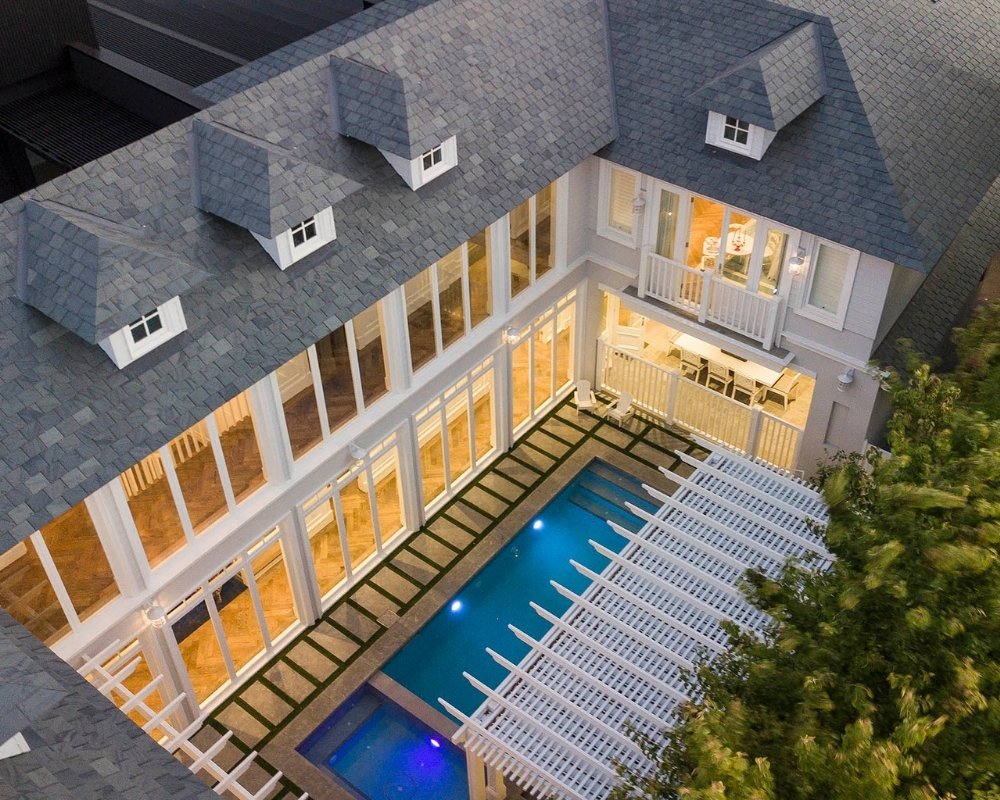
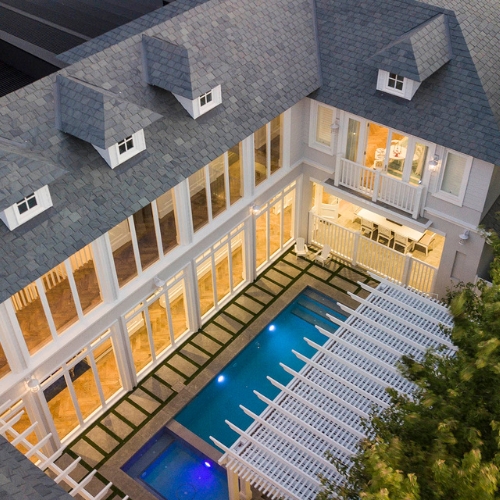
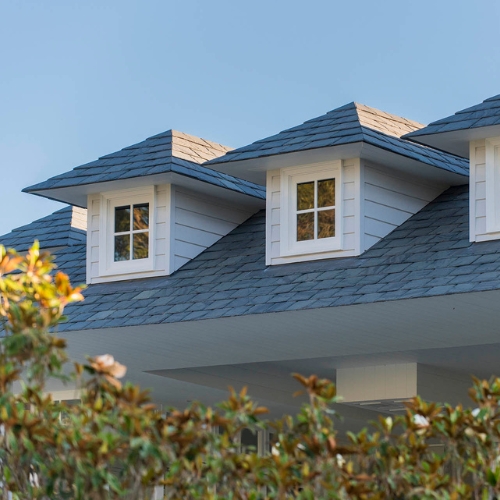
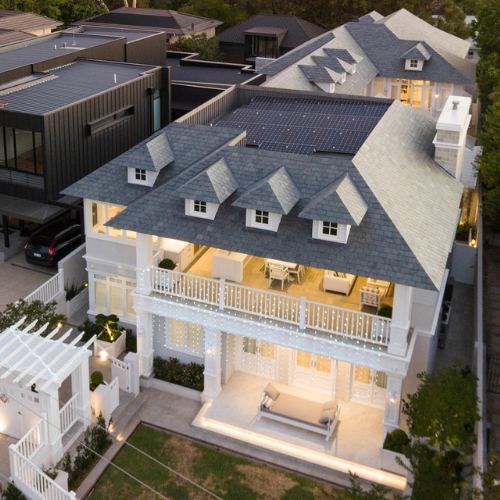
A Mosman Park residence featuring American New England slate in an unfading green finish, delivering timeless character and durability.

We work across a wide range of roofing and cladding materials used in Western Australia, including:
If you’re unsure what fits your project, we can walk you through the best options during quoting.
Most material choices come down to four things:
If you have plans or inspiration, we can guide the choice and supply samples where needed. For real-world examples, view Projects.
Some materials are known for exceptional lifespan when installed correctly.
Long-life roofing options include:
Other durable options include:
The best material depends on roof design, exposure, and how the system is detailed and maintained.
Low-maintenance roofing usually comes down to stable materials and clean detailing.
Common low-maintenance options include:
Like any roof, it still benefits from periodic inspection, especially around gutters, valleys, and penetrations. If you want a plan for long-term upkeep, see Maintenance.
For coastal areas, the priority is corrosion resistance and correct detailing.
Material selection depends on:
Tile roofing works well in coastal areas. Metal roofing can also be great if the right grade and fixings are used. We will recommend the right option during inspection and quoting.
Not when installed correctly.
A properly built metal roof system typically includes insulation and separation layers that help reduce noise. In most homes with ceiling insulation, rain noise is minimal and not a day-to-day issue.
Noise is more noticeable on open structures like patios where there is no ceiling cavity or insulation.
Generally, yes. Lighter colours reflect more sunlight and absorb less heat, which can reduce roof-space temperatures.
That said, thermal performance also depends on:
If comfort and energy efficiency are priorities, we can help you select a suitable colour and system during quoting.
Where possible, we use Australian-made materials that are designed for local conditions.
Some specialist materials are imported, particularly where:
We will always be transparent about material origin and suitability before proceeding.
In some cases, yes. Mixed material design can work well, particularly on architectural builds.
Common examples include:
The key is correct junction design and proper separation of incompatible materials. We’ll advise on what works both visually and technically.
Many roofing materials are low-impact over time. They last for decades and can be recycled.
Sustainability benefits may include:
If you want to prioritise sustainability, we can recommend materials that suit your goals and your build.





.svg)